

When you first encounter Provascin, you might wonder what sets this cardiovascular support supplement apart in a market flooded with heart health products. As someone who has spent years analyzing nutraceutical formulations and their real-world applications, I’ve found that understanding the complete picture ingredients, mechanisms, benefits, and limitations helps people make genuinely informed decisions about their cardiovascular wellness journey.
This guide provides a thorough examination of Provascin, created by the Canadian company Purica, without the promotional hype that often clouds supplement discussions. Whether you’re exploring preventive cardiovascular support or researching options alongside medical guidance, this resource offers practical insights based on formulation science and clinical applications.
What Is Provascin?
Provascin represents a comprehensive approach to cardiovascular support that differs fundamentally from single-ingredient heart supplements. Understanding its structure and purpose requires looking beyond marketing claims to the actual formulation philosophy.
Definition and Product Overview
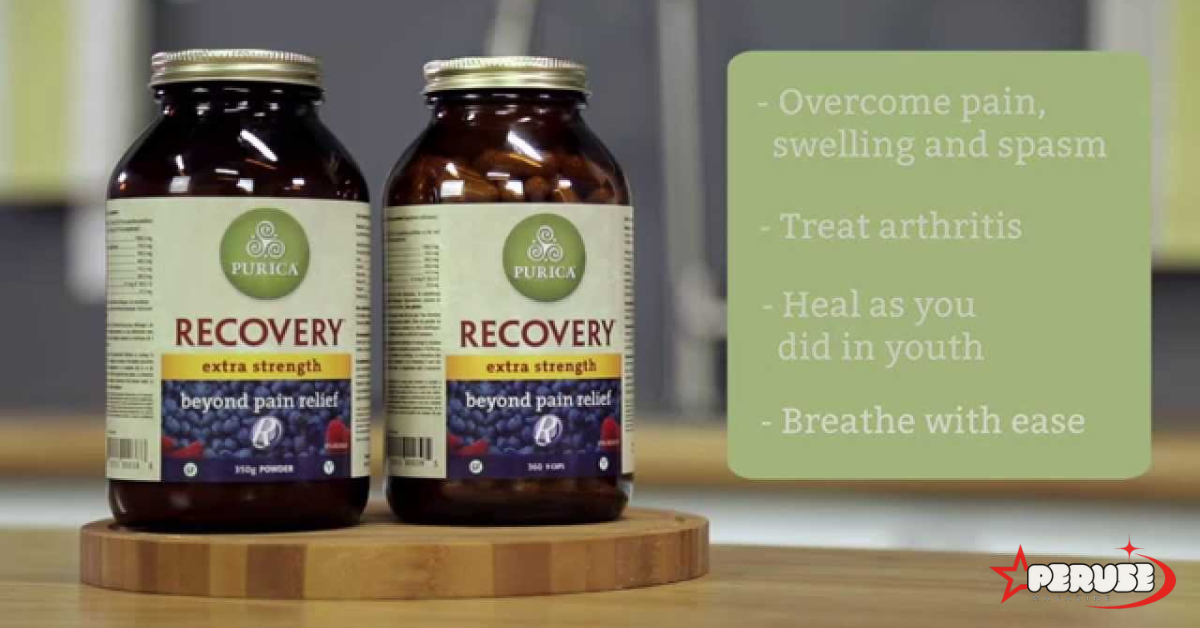
Provascin is a multi-ingredient dietary supplement formulated specifically for broad-spectrum cardiovascular support. Manufactured by Purica a company known for their natural health solutions, including their Recovery® product line this supplement combines several nutraceutical compounds in vegan capsule form.
The product comes in two sizes: 120 and 240 capsules, designed for different usage durations. Unlike pharmaceutical interventions that target specific pathways, Provascin operates on the principle of nutritional synergy, where multiple compounds work together to support various aspects of heart health simultaneously. This approach recognizes that cardiovascular wellness involves numerous interconnected systems rather than a single factor.
Target Audience and Use Cases
The formulation serves adults across age ranges seeking proactive cardiovascular support. Younger adults often use it as a preventive measure, particularly those with family histories of heart concerns or high-stress lifestyles that strain cardiovascular function.
Older adults typically explore Provascin as part of a comprehensive heart health strategy, often alongside dietary modifications and exercise programs. Healthcare practitioners sometimes recommend similar broad-spectrum formulas for patients needing nutritional support beyond what diet alone provides.
Athletes and physically active individuals also find value in cardiovascular support supplements. Enhanced circulation and metabolic support can aid recovery and performance, though Provascin is not marketed specifically as a sports supplement.
The Science Behind Cardiovascular Supplements
Understanding how supplements like Provascin function requires grasping the fundamental difference between nutritional support and pharmaceutical treatment. This distinction shapes realistic expectations and proper usage.
How Heart Health Supplements Work
Cardiovascular supplements operate by providing concentrated nutrients that support the body’s natural maintenance and repair processes. They don’t forcibly alter physiology like medications; instead, they supply building blocks and cofactors that enable optimal function.
For instance, compounds like L-carnitine support cellular energy production in heart muscle tissue. Antioxidants help neutralize oxidative stress that damages blood vessels. Other ingredients support nitric oxide production, which naturally dilates blood vessels for better circulation.
The key principle is support rather than replacement. A well-functioning cardiovascular system requires proper nutrition, just as a car needs quality fuel and oil. Supplements provide concentrated nutrition that might be difficult to obtain consistently through diet alone.
Understanding Bioavailability in Supplement Formulations
Bioavailability the degree to which nutrients reach systemic circulation determines supplement effectiveness. Quality formulations consider multiple factors affecting absorption.
Capsule-based delivery protects sensitive compounds from stomach acid degradation. Certain nutrient combinations enhance mutual absorption; for example, some antioxidants become more bioavailable when paired with specific minerals. Conversely, poorly designed formulations may contain nutrients that compete for absorption pathways, reducing overall effectiveness.
Vegan capsules, like those used in Provascin, appeal to plant-based consumers and often dissolve more predictably than gelatin alternatives. This ensures ingredients release at optimal intestinal sites for maximum uptake.
Ingredient Analysis: What’s Inside Provascin?
The Provascin formula contains several key components that work synergistically. Each ingredient serves specific functions within the broader cardiovascular support strategy.
Primary Active Components
L-Carnitine (188mg per capsule): This amino acid derivative plays a crucial role in transporting fatty acids into mitochondria for energy production. Heart muscle tissue particularly relies on fatty acid metabolism, making L-carnitine essential for cardiac energy support. Research consistently shows its importance in maintaining healthy heart function, especially under metabolic stress.
Antioxidant Complex: The formulation includes various antioxidants that protect cardiovascular tissues from oxidative damage. Free radicals generated by normal metabolism, environmental toxins, and stress can damage blood vessel linings, contributing to atherosclerosis. Antioxidants neutralize these compounds before they cause harm.
Plant-Derived Nutrients: While the complete proprietary blend isn’t publicly disclosed, the emphasis on naturally sourced ingredients aligns with current preferences for minimally processed supplements. These compounds often come with natural cofactors that enhance absorption and utilization compared to synthetic isolates.
Supporting Nutrients and Their Functions
The ingredient matrix addresses multiple cardiovascular factors beyond basic circulation. Nutrients supporting healthy glucose metabolism help maintain stable blood sugar, reducing vascular inflammation associated with insulin resistance. This metabolic support indirectly benefits heart health while improving energy levels.
Compounds that assist in removing toxic tissue waste address another often-overlooked cardiovascular factor. Accumulated metabolic byproducts and environmental toxins can impair endothelial function—the lining of blood vessels that regulates blood pressure and clotting. Supporting detoxification pathways lightens this burden.
Stress-modulating ingredients recognize the profound impact of chronic stress on heart health. Cortisol and other stress hormones can elevate blood pressure and promote inflammation. Adaptogenic compounds help moderate these responses, providing indirect cardiovascular protection.
Formulation Philosophy
The broad-spectrum approach reflects an understanding that cardiovascular disease develops from multiple, simultaneous risk factors. Rather than betting everything on one compound, this strategy hedges across several mechanisms: circulation, metabolism, oxidation, inflammation, and stress.
This philosophy also acknowledges individual variability. What works well for one person’s cardiovascular profile might help another less. A multi-ingredient formula increases the likelihood that multiple beneficial pathways are supported, creating a safety net of sorts.
However, this approach requires higher capsule counts to achieve therapeutic ingredient levels. The recommended 6-8 capsules daily for existing cardiovascular conditions reflects this reality concentrating multiple nutrients requires volume.
Documented Benefits and Health Outcomes
Benefits from comprehensive cardiovascular supplements typically manifest across several domains. Individual experiences vary based on baseline health, consistency of use, and lifestyle factors.
Cardiovascular System Support
Circulation Enhancement: Improved blood flow represents the most immediate noticeable benefit. Users often report increased peripheral warmth and reduced cold extremities, reflecting better microcirculation. More importantly, enhanced circulation delivers oxygen and nutrients efficiently throughout the body, supporting organ function and cognitive clarity.
The mechanism involves supporting nitric oxide production and reducing oxidative damage to blood vessels. Healthier, more flexible vessels dilate appropriately under demand during exercise or stress then constrict normally afterward. This dynamic responsiveness defines vascular health.
Heart Function Support: The cardiac muscle’s constant workload demands enormous energy. L-carnitine and supporting nutrients optimize this energy production, potentially improving exercise tolerance and reducing fatigue. Some users report improved stamina during physical activity, though individual results depend heavily on baseline cardiac function.
Blood Pressure Modulation: While not a treatment for hypertension, supporting vascular health can help maintain already-normal blood pressure ranges. The stress-modulating components also help by reducing stress-induced blood pressure spikes, creating a more stable cardiovascular environment.
Metabolic and Weight Management
Cardiovascular and metabolic health intertwine closely. Blood sugar imbalances drive inflammation that damages arteries. The formulation’s glucose metabolism support helps maintain stable energy levels while reducing this inflammatory burden.
Weight management benefits emerge indirectly. Better metabolic function improves fat utilization for energy. Some users find that improved energy levels support more consistent exercise habits, creating positive feedback loops. However, Provascin is not a weight loss supplement any body composition changes result from improved metabolic efficiency combined with lifestyle factors.
Cholesterol support occurs through multiple pathways. Antioxidants prevent LDL oxidation the actual damaging process in arterial plaque formation. Metabolic support improves lipid profiles by enhancing clearance mechanisms. The fiber-like compounds in some ingredients may modestly bind cholesterol in the digestive tract.
Stress Response and Tissue Health
Chronic stress represents a significant cardiovascular risk factor, often overlooked in traditional risk assessments. Elevated cortisol increases blood pressure, promotes abdominal fat storage, and drives inflammation. Stress-modulating ingredients help buffer these effects, creating a more resilient cardiovascular system.
The antioxidant components directly protect tissues from oxidative stress, which accelerates aging throughout the body. Vulnerable tissues like arterial linings benefit significantly from this protection. Some ingredients also support the body’s natural repair mechanisms, enabling damaged tissues to heal more effectively.
Reducing toxic tissue waste burden helps the cardiovascular system in two ways. First, it reduces the inflammatory load on blood vessels. Second, it improves cellular energy production by clearing metabolic byproducts that interfere with mitochondrial function.
Proper Usage and Dosage Guidelines
Consistency and proper dosing significantly impact supplement effectiveness. Understanding both standard and individualized approaches helps optimize results.
Standard Dosage Recommendations
General Preventive Support: Most adults benefit from 2-3 capsules daily with meals. This lower dose provides foundational support for those without active cardiovascular concerns but seeking preventive care.
Active Cardiovascular Support: The manufacturer recommends 6-8 capsules daily for existing cardiovascular conditions. This therapeutic dose delivers ingredient amounts shown beneficial in research. Dosing throughout the day morning and evening with meals maintains consistent blood levels.
Timing Considerations: Taking capsules with meals containing some fat enhances absorption of fat-soluble compounds. Morning dosing supports daytime energy and metabolism. Evening doses should be taken with dinner, not right before bed, to avoid potential sleep disruption from metabolic stimulation.
Integrating into Daily Wellness Routines
Successful supplementation requires habit formation. Linking doses to existing routines breakfast and dinner improves consistency. Keeping capsules visible but protected from light and heat serves as a reminder.
Provascin works best as part of a comprehensive approach. Users should maintain heart-healthy diets rich in colorful vegetables, omega-3 fatty acids, and adequate protein. Regular aerobic exercise amplifies circulation benefits. Stress management practices like meditation or time in nature reduce cardiovascular strain.
Monitoring subtle changes helps assess effectiveness. Keeping a simple log of energy levels, exercise tolerance, and any physical symptoms provides objective data. Benefits typically emerge gradually over 4-8 weeks of consistent use, though some users notice circulation improvements sooner.
Safety Profile and Considerations
Natural doesn’t automatically mean safe for everyone. Understanding safety data prevents adverse reactions and ensures appropriate use.
Known Safety Data
L-Carnitine Safety: This well-researched compound has excellent safety profile at typical doses. Some individuals experience mild gastrointestinal upset initially, which usually resolves with continued use or by taking capsules with larger meals.
Antioxidant Considerations: Excessive antioxidant intake can theoretically interfere with beneficial oxidative signals needed for exercise adaptation. However, doses in Provascin are moderate and unlikely to cause issues for most users. Those undergoing chemotherapy should consult oncologists, as antioxidants might interfere with treatment mechanisms.
Potential Interaction Concerns: L-carnitine may interact with warfarin and other anticoagulants, potentially requiring dosage adjustments. It can also enhance thyroid hormone effects, important for those with thyroid conditions. The formulation’s metabolic effects warrant caution for diabetics on insulin or sulfonylureas.
Contraindications: Pregnant or nursing individuals should avoid use due to insufficient safety data. Those with severe kidney disease may need modified dosing, as L-carnitine metabolism occurs partially through renal pathways. Acute cardiovascular events require immediate medical care, not supplement intervention.
Professional Consultation Requirements
Healthcare provider consultation isn’t just a legal disclaimer it’s essential for safe, effective use. Your physician can review your complete cardiovascular profile, medication list, and health history to identify potential interactions.
Questions to discuss include:
- Current cardiovascular measurements (blood pressure, lipid panels, inflammatory markers)
- All medications and supplements, including over-the-counter products
- Known allergies, especially to ingredients in the formula
- Family history of cardiovascular disease
- Exercise capacity and current activity level
Regular follow-up appointments allow monitoring of both effectiveness and any subtle changes that might indicate issues. Blood work can objectively assess whether the supplement is supporting metabolic and inflammatory markers as intended.
Quality Assurance and Third-Party Testing
Supplement quality varies dramatically between manufacturers. Understanding quality markers ensures you’re getting what you pay for.
Purica’s Manufacturing Standards
Purica follows Good Manufacturing Practices (GMP), a regulatory standard ensuring consistent quality, purity, and labeling accuracy. GMP certification involves regular facility inspections and documentation of all processes.
The company’s apparent emphasis on natural sourcing suggests careful ingredient selection, though transparency varies. Quality manufacturers provide certificates of analysis (COAs) upon request, showing testing results for potency and contaminants like heavy metals, mold, and bacteria.
Vegan capsule certification matters for those avoiding animal products and often indicates higher manufacturing standards overall, as plant-based capsules require more precise production controls.
Industry Benchmarks for Cardiovascular Supplements
Third-party testing by organizations like NSF International or USP provides independent verification of supplement contents. These certifications confirm that what’s on the label matches what’s in the bottle and that products are free from harmful contaminants.
Look for products with clear lot numbers and expiration dates signs of traceable manufacturing. QR codes linking to COAs represent the gold standard in transparency. Avoid supplements with proprietary blends that don’t disclose individual ingredient amounts, as this prevents assessing effectiveness and safety.
Be wary of exaggerated claims. Reputable cardiovascular supplements support heart health but won’t “clear arteries overnight” or “replace medications.” Such promises indicate marketing over science.
Lifestyle Integration: Beyond Supplementation
Supplements work within a broader context. Their effectiveness multiplies when combined with foundational heart-healthy habits.
Building a Heart-Healthy Foundation
Nutrition Synergy: A Mediterranean-style diet provides complementary nutrients. Olive oil’s polyphenols enhance antioxidant effects. Fatty fish omega-3s work synergistically with L-carnitine. Colorful vegetables supply additional antioxidants and fiber that support cardiovascular function.
Exercise Amplification: Regular aerobic exercise 30 minutes most days improves circulation, reduces inflammation, and enhances the benefits of cardiovascular supplements. Strength training twice weekly supports metabolic health and weight management. Even simple walking after meals improves glucose metabolism.
Stress Management: Chronic stress undermines cardiovascular health regardless of supplement quality. Practices like box breathing (inhale 4 counts, hold 4, exhale 4, hold 4) directly reduce cortisol. Spending time in nature lowers blood pressure and improves heart rate variability. Adequate sleep 7-9 hours allows cardiovascular repair and reduces inflammatory markers.
Preventive vs. Reactive Approaches to Heart Health
Modern wellness emphasizes preventive care supporting health before crisis develops. Provascin fits this strategy, providing nutritional support that helps maintain cardiovascular function amid modern lifestyle stressors.
However, supplements cannot reverse established cardiovascular disease or replace medical treatment for acute conditions. They support the body’s natural maintenance processes but can’t magically repair years of damage from poor diet, inactivity, and unmanaged stress.
The most effective approach combines early preventive action with ongoing lifestyle optimization. Starting cardiovascular support in your 30s or 40s, when risks are still low, offers the best prevention potential. Waiting until after a cardiac event limits what supplements can achieve.
Comparing Cardiovascular Supplement Approaches
Understanding where broad-spectrum formulas fit within the supplement landscape helps determine if this approach matches your needs.
Single-Ingredient vs. Comprehensive Formulas
Single-Ingredient Focus: Products like standalone L-carnitine or CoQ10 target specific pathways. This precision benefits individuals with identified deficiencies or those following targeted protocols designed by healthcare practitioners. You know exactly what you’re getting and can adjust doses precisely.
However, single ingredients often miss the bigger picture. Heart health involves multiple simultaneous processes. Targeting just one while neglecting others may produce limited results. Multiple single-ingredient supplements combined create cumbersome regimens with many capsules.
Comprehensive Formulations: Broad-spectrum products like Provascin address multiple cardiovascular factors simultaneously. This convenience supports compliance taking several capsules from one bottle is easier than managing multiple supplements. The synergistic ingredient selection may produce effects greater than individual components.
The trade-off involves less dosing flexibility. You can’t easily increase one ingredient without also increasing others. Some individuals may not need every component, though most ingredients offer general health benefits beyond cardiovascular support.
Market Position and Unique Features
Provascin occupies a middle ground between basic drugstore multivitamins and ultra-premium, ultra-expensive cardiovascular formulas. The Purica brand brings credibility from their established Recovery® product line, suggesting quality manufacturing and ingredient sourcing.
The vegan formulation appeals to plant-based consumers, a growing market segment. The emphasis on natural ingredients aligns with consumer preferences for minimally processed supplements.
Compared to competitors, Provascin’s L-carnitine dose per capsule (188mg) requires multiple capsules for therapeutic levels, which is honest but may deter those wanting lower pill counts. Some competitors use higher-concentration extracts to reduce capsule numbers but at higher price points.
The formulation appears designed for long-term, daily use rather than quick fixes. This positioning reflects responsible supplement marketing emphasizing support over cure.
Frequently Asked Questions
What makes Provascin different from prescription heart medications?
Prescription medications force specific physiological changes like lowering blood pressure or reducing cholesterol production. They treat diagnosed conditions and require medical supervision. Provascin provides nutritional support for the body’s natural cardiovascular maintenance processes. It doesn’t treat disease but may help maintain healthy function. This distinction is crucial: supplements support, medications treat.
How long does it take to notice benefits from Provascin?
Most users report subtle circulation improvements within 2-4 weeks warmer hands and feet, improved mental clarity. Cardiovascular benefits like better exercise tolerance typically require 6-8 weeks of consistent use. Metabolic marker improvements (lipids, glucose) need 3-6 months and should be confirmed with blood work. Individual variability is significant based on baseline health and lifestyle factors.
Can Provascin be taken alongside other supplements or medications?
This requires professional consultation. L-carnitine may interact with blood thinners, thyroid medication, and diabetes drugs. Some ingredients could theoretically interact with chemotherapy agents. Always provide your healthcare provider with the complete ingredient list. Some supplements complement Provascin omega-3s and vitamin D often work synergistically while others may duplicate ingredients unnecessarily.
What does the research say about L-Carnitine for heart health?
Multiple studies support L-carnitine’s role in cardiac energy metabolism. Research shows benefits for individuals with heart failure, angina, and recovery after cardiac events. For preventive use, studies demonstrate improved exercise tolerance and reduced fatigue. The 188mg dose per capsule aligns with research showing benefits at cumulative daily intakes of 500-2000mg.
Key Takeaways and Next Steps
Provascin represents a thoughtfully formulated cardiovascular support supplement that works best within a comprehensive heart-health strategy. Its multi-ingredient approach addresses several risk factors simultaneously, reflecting how cardiovascular disease actually develops.
Key points to remember:
- It’s support, not treatment: Provascin nutritionally supports cardiovascular function but doesn’t replace medical care or medications.
- Dosage matters: Therapeutic benefits require consistent use at appropriate doses—2-3 capsules for prevention, 6-8 for active support.
- Professional guidance is essential: Healthcare provider consultation ensures safety, especially regarding medication interactions.
- Lifestyle amplifies effects: Diet, exercise, and stress management multiply supplement benefits dramatically.
- Quality varies: Choose supplements from reputable manufacturers with transparent quality practices.
If you’re considering Provascin, start with an honest assessment of your current cardiovascular health and lifestyle. Schedule a consultation with your healthcare provider to discuss whether this type of support aligns with your individual needs. Bring the ingredient list to your appointment for thorough interaction checking.
Remember that sustainable cardiovascular health builds on consistent daily habits: nutrient-dense foods, regular movement, stress management, and adequate sleep. Supplements like Provascin can provide valuable nutritional support within this framework, but they’re most effective when viewed as one component of a holistic approach rather than a standalone solution.
Your heart health deserves careful, informed consideration. Take time to evaluate options, consult professionals, and make decisions based on your unique health profile and goals.