

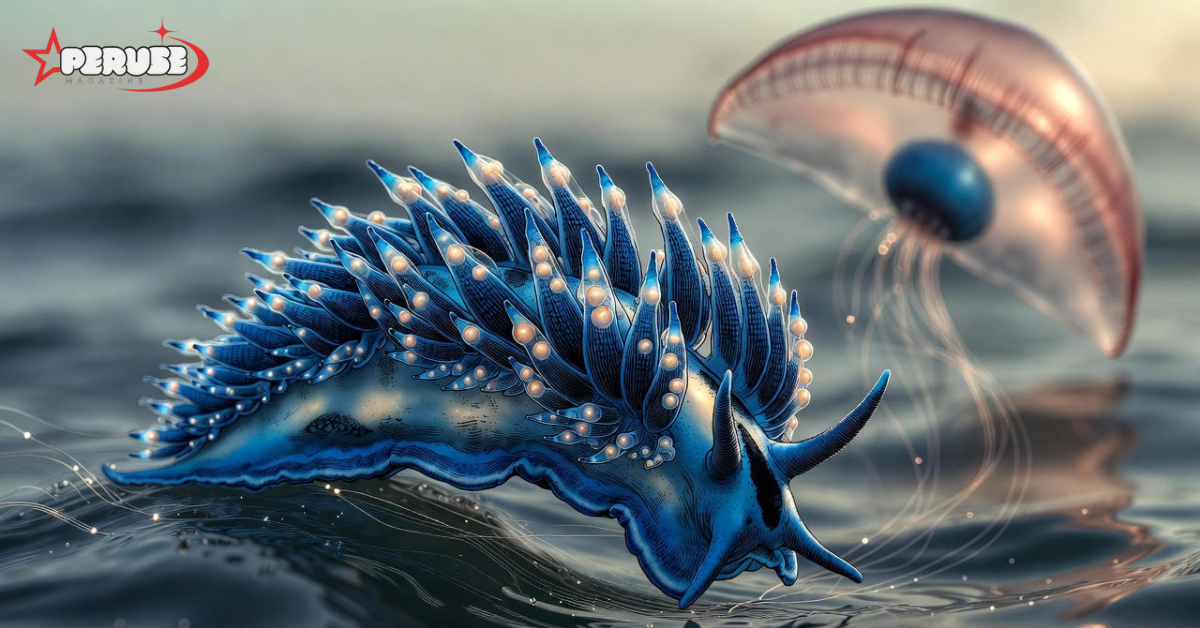
Imagine a world where organisms don’t just produce their own defenses they steal them. This fascinating phenomenon, known as kleptotoxicity, reveals how nature’s most resourceful survivors have mastered the art of chemical theft. From sea slugs that absorb toxins from their prey to human systems where corruption creates toxic ripple effects, kleptotoxicity represents one of biology’s most ingenious survival strategies and society’s most persistent challenges. Understanding this concept requires us to bridge scientific disciplines and examine how stolen chemical resources shape ecosystems and communities alike.
What Is Kleptotoxicity? A Complete Definition
Biological Kleptotoxicity Explained
At its core, biological kleptotoxicity describes the process where one organism acquires and utilizes toxic compounds produced by another species. Unlike simple predation, this involves sophisticated biochemical adaptation where the thief not only survives exposure to these chemicals but repurposes them for its own defense or survival advantage.
The most remarkable examples occur in marine environments. Consider the nudibranchs soft-bodied mollusks that feed on toxic sponges and cnidarians, then store these stolen weapons in specialized tissues. These sea slugs don’t just tolerate the toxins; they concentrate and deploy them against their own predators. This stolen chemical arsenal becomes so effective that many kleptotoxic species develop bright warning coloration, advertising their dangerous borrowed defenses to would-be attackers.
What makes this process extraordinary is the precise biochemical machinery required. The thief must neutralize the toxin’s effects on its own physiology while maintaining the compound’s defensive properties. This evolutionary arms race has produced some of nature’s most specialized adaptations, where entire life cycles revolve around the acquisition and maintenance of stolen chemical weapons.
Social and Environmental Kleptotoxicity Context
Beyond biology, kleptotoxicity manifests as a powerful metaphor for systemic harm in human societies. Here, the concept describes how stolen resources whether financial, intellectual, or environmental—create cascading toxic effects that poison entire communities. Economic kleptotoxicity occurs when corrupt actors extract wealth from public systems, leaving behind institutional decay and eroded trust.
Environmental kleptotoxicity operates similarly, where resource theft creates long-term damage that extends far beyond the initial act. When forests are illegally logged or water sources contaminated for short-term gain, the resulting ecosystem collapse affects countless species and human communities for generations. The stolen resources may benefit a few, but the toxic consequences spread through the entire system.
This parallel between biological and social systems reveals a fundamental truth: when critical resources are stolen and misappropriated, the resulting toxicity inevitably spreads through interconnected networks, damaging the entire structure regardless of the thief’s initial intentions.
Etymology and Scientific Origins of the Term
The term “kleptotoxicity” combines Greek roots “klepto” meaning theft and “toxicity” referring to poison. While the phenomenon has existed throughout evolutionary history, the formal scientific recognition emerged from marine biology research in the late 20th century. Scientists studying nudibranch feeding behaviors noticed these creatures weren’t merely consuming toxic prey; they were actively sequestering and repurposing defensive chemicals.
Early research focused primarily on sea slug species like Glaucus atlanticus, which feeds on Portuguese man-o-war tentacles and stores their nematocysts for its own defense. As researchers documented similar behaviors across diverse species, the concept expanded to include terrestrial examples and eventually inspired applications in social sciences. The term gained broader recognition as scientists recognized the universal principle: theft of chemical resources creates complex ecological and evolutionary dynamics that extend far beyond simple predation.
How Kleptotoxicity Differs from Similar Concepts
Kleptotoxicity is often confused with related biological phenomena, but key distinctions exist. Unlike kleptoparasitism where one animal steals food items from another kleptotoxicity specifically involves the theft and repurposing of chemical defenses. The focus isn’t on nutritional value but on defensive properties.
Similarly, while bioaccumulation describes how toxins concentrate up food chains, kleptotoxicity involves active selection and strategic deployment of stolen chemicals. An organism practicing kleptotoxicity doesn’t passively accumulate toxins; it actively seeks out specific chemical sources and develops specialized mechanisms to store and utilize them.
Mimicry also differs fundamentally. In Batesian mimicry, harmless species evolve to resemble toxic ones, gaining protection through deception. Kleptotoxic species, by contrast, actually possess genuine chemical defenses they’ve just stolen them rather than producing them independently. This distinction matters because kleptotoxic organisms must maintain complex physiological adaptations to handle these dangerous chemicals, whereas mimics rely solely on visual deception.
Kleptotoxicity in Nature: Documented Examples and Mechanisms
Marine Ecosystems: Sea Slugs and Toxin Absorption
Marine environments showcase kleptotoxicity at its most sophisticated. The Eastern Emerald Elysia (Elysia chlorotica) exemplifies this phenomenon, though its more famous for photosynthetic abilities. More striking examples include the Spanish Dancer nudibranch (Hexabranchus sanguineus), which feeds on toxic sponges and stores their chemical defenses in specialized mantle tissues. When threatened, it releases these compounds, creating a toxic cloud that deters predators.
Perhaps the most dramatic marine example involves the Blue Dragon (Glaucus atlanticus), a small sea slug that floats upside-down at the ocean’s surface. This creature specializes in feeding on venomous cnidarians, particularly the Portuguese man-o-war. Rather than being stung to death, the Blue Dragon has evolved immunity to nematocyst venom and can store these stinging cells intact in finger-like projections called cerata. When attacked, it can release these stolen weapons with greater potency than their original owners.
The biochemical processes enabling this feat are remarkable. These slugs possess specialized cells that can engulf nematocysts without triggering them, transport them through their bodies, and position them strategically for defense. This requires precise cellular control and immune system adaptations that scientists are still working to fully understand.
Terrestrial Examples: Insects and Plant Toxin Theft
On land, insects have mastered kleptotoxicity through plant toxin sequestration. Monarch butterflies provide the classic example they feed exclusively on milkweed as caterpillars, absorbing cardiac glycosides that make them toxic to birds. The bright orange warning coloration of adult monarchs signals this chemical defense to predators, who learn to avoid them after unpleasant experiences.
More sophisticated examples include certain beetles that don’t just sequester plant toxins but modify them chemically to enhance their defensive properties. The Chrysomelid beetles, for instance, feed on toxic plants and can transform these compounds into more potent defensive secretions. This chemical processing adds another layer of complexity to kleptotoxicity, showing that some species don’t merely steal chemicals they improve upon them.
Even ants practice forms of kleptotoxicity. Some species raid the nests of toxic millipedes, stealing their defensive secretions to use against their own enemies. This behavior demonstrates that kleptotoxicity isn’t limited to dietary relationships but can involve direct theft of chemical resources from other organisms.
Vertebrate Cases: Birds and Mammals in Kleptotoxic Relationships
While less common than in invertebrates, kleptotoxicity also occurs in vertebrates. The Pitohui birds of New Guinea famously contain batrachotoxins powerful neurotoxins also found in poison dart frogs. Research suggests these birds acquire their toxins from consuming melyrid beetles, which produce the chemicals. The birds then concentrate these toxins in their skin and feathers, creating a defense that deters both predators and parasites.
Some primates also demonstrate kleptotoxic behaviors. Capuchin monkeys have been observed rubbing toxic millipedes on their fur during rainy seasons. While this might seem like simple self-medication, evidence suggests they’re actually harvesting the millipedes’ benzoquinone secretions to repel mosquitoes and other biting insects. This represents a sophisticated understanding of chemical properties and their defensive applications.
Even domestic animals show rudimentary kleptotoxic behaviors. Dogs that roll in dead animals or feces might be practicing an ancient instinct to mask their scent with strong odors, effectively stealing chemical camouflage from their environment. While not true toxicity, this behavior shares the same evolutionary logic of resource theft for survival advantage.
Microbial Kleptotoxicity in Soil and Water Systems
At microscopic scales, kleptotoxicity drives complex ecosystem dynamics. Certain bacteria can steal antibiotic compounds produced by other microorganisms, using them to kill competitors or establish territorial dominance. This microbial warfare shapes entire soil communities and influences nutrient cycling.
Fungi also participate in chemical theft. Some mycorrhizal networks can intercept and repurpose defensive chemicals produced by their plant hosts, using them to protect against nematodes or competing fungi. This underground chemical economy demonstrates how kleptotoxicity operates at every level of biological organization.
In aquatic systems, plankton communities exhibit kleptotoxic behaviors where certain species absorb and concentrate toxins from algal blooms, then use these chemicals to deter their own predators. This creates complex trophic cascades where stolen toxins ripple through entire food webs, affecting everything from microscopic zooplankton to large fish predators.
The Science Behind Toxin Transfer Processes
Biochemical Mechanisms of Toxin Sequestration
The physiological adaptations enabling kleptotoxicity are extraordinary. Organisms must solve multiple biochemical challenges simultaneously: neutralizing the toxin’s effects on their own tissues while preserving its defensive properties, transporting it safely through their bodies, and storing it in specialized structures ready for deployment.
Sea slugs that practice kleptotoxicity have evolved specialized cells called cnidophages that can engulf nematocysts without triggering their explosive discharge. These cells transport the stolen stinging cells through the slug’s body via specialized circulatory pathways, ultimately positioning them in the cerata where they remain functional for weeks or months. This requires precise molecular recognition systems that can distinguish between functional and damaged nematocysts.
In insects like monarch butterflies, specialized gut enzymes break down milkweed tissues while selectively absorbing cardiac glycosides. These compounds are then transported via the hemolymph (insect blood) to storage sites in the cuticle and wings, where they remain concentrated and biologically active. The butterflies’ cells have evolved sodium-potassium pump variants that resist the effects of these toxins, allowing them to handle chemicals that would kill other insects.
Evolutionary Adaptations for Kleptotoxic Survival
The evolutionary arms race driving kleptotoxicity has produced some of nature’s most specialized adaptations. Predators that target kleptotoxic prey face strong selective pressure to develop resistance, while the kleptotoxic species must constantly refine their chemical theft strategies to maintain their defensive edge.
This coevolution creates fascinating dynamics. In some ecosystems, predators have learned to avoid certain kleptotoxic species entirely, leading to mimicry complexes where multiple species evolve similar warning coloration. In other cases, predators develop partial resistance, forcing the kleptotoxic organisms to seek out increasingly potent chemical sources or develop more efficient storage mechanisms.
The energy investment required for these adaptations is substantial. Kleptotoxic species often have reduced reproductive rates or slower growth compared to non-toxic relatives, reflecting the metabolic costs of maintaining complex detoxification and storage systems. However, the survival advantages typically outweigh these costs, as evidenced by the widespread occurrence of kleptotoxicity across diverse taxonomic groups.
Energy Costs and Benefits Analysis
Kleptotoxicity represents a strategic energy trade-off. While producing toxins independently requires significant metabolic resources, stealing them also demands considerable energy investment in specialized physiological adaptations, behavioral modifications, and often reduced feeding efficiency.
Organisms must carefully balance these costs. Many kleptotoxic species exhibit dietary specialization, focusing exclusively on toxic prey despite the availability of safer alternatives. This specialization suggests that the defensive benefits outweigh the energetic costs and increased predation risk during feeding.
The energy economics become particularly interesting when considering seasonal variations. Some species practice conditional kleptotoxicity, only sequestering toxins during high-risk periods when predator pressure is intense. Others maintain constant chemical defenses but adjust their foraging behaviors based on energy availability, demonstrating sophisticated risk-assessment capabilities that optimize their survival strategies.
Defensive vs. Offensive Kleptotoxic Strategies
Kleptotoxicity serves both defensive and offensive purposes in nature. Defensive kleptotoxicity, the most common form, involves stealing chemicals primarily for protection against predators. These organisms typically advertise their toxic status through warning coloration and behavioral displays that deter attack before it occurs.
Offensive kleptotoxicity is rarer but equally fascinating. Some predators steal toxins not for defense but to enhance their hunting success. The cone snail, for example, doesn’t produce all its venom components independently; it incorporates compounds from its prey into its own venom cocktail, creating more potent and specialized hunting tools. This represents a sophisticated level of chemical warfare where stolen toxins become offensive weapons.
Some species employ both strategies simultaneously. The Blue Dragon sea slug uses stolen nematocysts defensively against fish predators but also offensively to subdue its cnidarian prey. This dual-purpose application demonstrates the versatility of kleptotoxic adaptations and their central role in survival strategies.
Ecological Impact and Environmental Consequences
Food Chain Disruptions from Kleptotoxic Relationships
Kleptotoxicity creates complex ripple effects through ecosystems. When organisms steal chemical defenses, they alter predator-prey dynamics in ways that cascade through multiple trophic levels. Predators that avoid kleptotoxic prey must seek alternative food sources, potentially overexploiting other species and creating imbalances.
In marine ecosystems, kleptotoxic nudibranchs can significantly impact cnidarian populations. By consuming large quantities of toxic jellyfish and hydroids while remaining immune to their stings, these slugs regulate prey populations that might otherwise dominate certain habitats. However, this regulation comes at a cost the stolen toxins can accumulate in higher predators that consume the slugs, creating unexpected toxicity in species that never directly encountered the original toxin source.
These disruptions become particularly problematic when invasive species introduce novel kleptotoxic relationships. An invasive slug that sequesters local toxins might gain protection from native predators while simultaneously depleting critical prey populations, creating cascading effects that destabilize entire ecosystems.
Biodiversity Effects in Affected Ecosystems
The presence of kleptotoxic species often enhances biodiversity by creating complex chemical landscapes that support specialized niches. Warning coloration patterns drive speciation as different populations evolve distinct signals to advertise their chemical defenses. This process, known as Müllerian mimicry, creates communities where multiple toxic species share similar coloration, reinforcing predator avoidance learning.
However, kleptotoxicity can also reduce biodiversity when it creates monopolies on chemical resources. If one species becomes exceptionally efficient at stealing and utilizing certain toxins, it may outcompete other potential toxin-users, reducing the diversity of chemical defense strategies in the ecosystem. This competitive exclusion becomes particularly evident in resource-limited environments where access to toxic prey or plants determines survival success.
The net effect on biodiversity depends on the specific ecological context and the balance between competitive and facilitative interactions. In stable, mature ecosystems, kleptotoxicity often supports greater diversity by enabling coexistence through chemical niche partitioning. In disturbed or simplified ecosystems, it may contribute to dominance by a few highly adapted species.
Kleptotoxicity as an Indicator of Environmental Health
Kleptotoxic relationships serve as sensitive indicators of ecosystem health. Because these interactions depend on complex food webs and stable environmental conditions, disruptions to kleptotoxic dynamics often signal broader ecological problems.
Declining populations of kleptotoxic species can indicate pollution, habitat fragmentation, or climate change impacts. For example, rising ocean temperatures affect the distribution of toxic cnidarians, which in turn impacts sea slug populations that depend on them for chemical defenses. Monitoring these relationships provides early warning signs of ecosystem stress before more obvious symptoms appear.
Conversely, the presence of diverse kleptotoxic interactions often indicates ecosystem resilience. Complex chemical networks suggest healthy food webs with multiple trophic connections and functional redundancy. Conservation efforts increasingly recognize the importance of preserving these intricate relationships rather than focusing solely on individual species.
Climate Change Influences on Kleptotoxic Behaviors
Climate change is altering kleptotoxic dynamics worldwide. Rising temperatures affect the production of defensive chemicals in plants and animals, potentially disrupting the delicate balance of chemical theft relationships. Warmer waters may increase metabolic rates in marine organisms, accelerating toxin production in some species while overwhelming the detoxification systems of others.
Ocean acidification poses particular challenges for marine kleptotoxic species. Many toxins rely on specific pH conditions for stability and function. As seawater chemistry changes, stolen chemicals may lose their effectiveness or become more difficult to store, forcing organisms to adapt rapidly or face extinction.
Terrestrial systems face similar pressures. Changing precipitation patterns affect plant toxin production, while shifting seasons disrupt the synchrony between kleptotoxic organisms and their chemical sources. Some species may adapt by switching to alternative toxin sources, while others face population declines as their specialized relationships break down under environmental stress.
Conclusion: Key Takeaways and Broader Understanding
Kleptotoxicity reveals nature’s remarkable capacity for innovation and adaptation. From the intricate biochemical ballet of sea slugs stealing nematocysts to the complex social dynamics of resource theft in human systems, this phenomenon demonstrates how life constantly repurposes available materials for survival advantage.
Understanding kleptotoxicity requires us to think beyond simple categories of predator and prey, producer and consumer. It challenges us to see ecosystems as dynamic networks of chemical exchange where boundaries between organisms blur and survival depends on strategic resource acquisition. This perspective offers valuable insights for conservation, medicine, and even social policy.
The most profound lesson from kleptotoxicity is that theft, when practiced strategically, can drive evolutionary innovation. Organisms that master chemical theft often develop extraordinary adaptations that benefit entire ecosystems. However, this same principle warns us about the dangers of uncontrolled resource extraction in human systems, where stolen resources create toxic legacies that poison future generations.
As we face global challenges from biodiversity loss to systemic corruption, the science of kleptotoxicity provides both cautionary tales and hopeful examples. By studying how nature balances chemical theft with ecological responsibility, we might find better ways to manage our own resource relationships and build more resilient, sustainable systems.
Frequently Asked Questions About Kleptotoxicity
Is kleptotoxicity always harmful to the original toxin producer?
Not necessarily. In many cases, the relationship between toxin producer and thief can be parasitic, commensal, or even mutualistic. When kleptotoxic organisms consume toxic prey, they may actually help control prey populations that could otherwise become problematic. Some plants benefit from insects that sequester their toxins, as these insects become walking advertisements that deter other herbivores from consuming the plants.
How do scientists detect kleptotoxic relationships in nature?
Researchers use multiple approaches to identify kleptotoxicity. Chemical analysis can trace the molecular fingerprints of stolen compounds from original sources to thief organisms. Behavioral observations reveal feeding preferences and defensive displays. Experimental studies involve exposing potential kleptotoxic species to various toxin sources and monitoring their physiological responses and survival rates against predators.
Can kleptotoxicity ever benefit ecosystems?
Absolutely. Kleptotoxic relationships often create stability in ecosystems by regulating populations and preventing any single species from dominating. The presence of multiple kleptotoxic species with different chemical arsenals can enhance biodiversity by creating complex predator-prey dynamics. In some cases, kleptotoxic organisms serve as keystone species that maintain ecosystem balance through their chemical influence.
What are the most extreme examples of biological kleptotoxicity?
The Blue Dragon sea slug stands out for its ability to handle and repurpose Portuguese man-o-war venom. Some poison dart frogs practice extreme kleptotoxicity, sequestering batrachotoxins from specific beetles to become among the most toxic animals on Earth. Certain caterpillars can store and deploy plant toxins so effectively that birds avoid them entirely, despite their bright, conspicuous coloration that would normally attract attention.
How does kleptotoxicity relate to human corruption and theft?
The parallel lies in the systemic damage caused by resource theft. Just as biological kleptotoxicity creates ripple effects through ecosystems, human kleptotoxicity in the form of corruption, fraud, or environmental exploitation—creates cascading harm through societies. Stolen resources rarely benefit only the thief; they often poison institutions, erode trust, and create long-term damage that affects entire communities, much like toxins spreading through food webs.
Are there any positive applications of kleptotoxic principles?
Medical research has begun exploring kleptotoxic principles for drug discovery. Scientists study how organisms safely handle and store potent toxins to develop better delivery systems for medications. Understanding how kleptotoxic species avoid self-harm while utilizing dangerous chemicals could lead to breakthroughs in cancer treatment and pain management. Additionally, studying natural chemical theft provides insights into sustainable resource use and circular economy principles.
How can understanding kleptotoxicity help environmental conservation?
Recognizing kleptotoxic relationships helps conservationists protect entire ecological networks rather than individual species. Preserving habitat corridors that connect toxin sources to kleptotoxic organisms becomes crucial. Understanding how climate change affects these relationships informs adaptive management strategies. Most importantly, it shifts conservation thinking from species protection to relationship preservation, recognizing that ecosystems function through complex interactions rather than isolated components.