

If you’ve been exploring tools to upgrade your customer engagement, you’ve likely heard the name Konversky. It’s more than just another chat widget or marketing automation plugin. In my experience working with sales and support teams, the shift from one-way broadcasting to two-way dialogue isn’t just a trend it’s a fundamental change in how businesses build relationships. Konversky has emerged as a central platform for companies aiming to not just participate in, but master, this new conversational reality.
At its heart, Konversky is an AI-powered conversational platform. It integrates the intelligence of artificial linguistics with the strategic framework of customer journey mapping. Think of it less as a software you install, and more as a communication layer you weave across your entire digital presence. Its goal is to make every interaction whether on your website, social media, or via email, feel coherent, context-aware, and genuinely helpful.
What Is Konversky? Defining the Next-Gen Communication Platform
The name itself offers a clue. “Konvers-” speaks to its foundation in dialogue, while the “-sky” suffix hints at breadth, scale, and a top-down strategic view. This isn’t an accident.
Core Concept and Origin
Konversky was built on a simple, powerful observation: customer frustration most often stems from broken conversations. You ask a question on live chat, then have to repeat it all over again via email. You browse a product page, but the site has no idea you were just reading a related blog post. This platform originated to close these gaps. It’s designed to be the single source of truth for a customer’s interaction history, enabling continuous, intelligent dialogue across any channel they choose.
More Than a Tool: A Strategic Framework
Many businesses make the mistake of seeing tools like Konversky as a tactical fix for a “chat” problem. Where it truly excels is as a strategic framework. It forces you to map out your customer’s dialogue paths, define key intents (e.g., “wants to upgrade,” “needs troubleshooting”), and respond not just with an answer, but with the next logical step in their journey. We’ve seen teams transform from simply answering queries to proactively guiding experiences.
Primary Goals and Target Audience
This platform isn’t for one department alone. While marketing teams use it for lead generation and nurturing, sales uses it for qualification and demos, and support uses it for deflection and resolution. Its core audience is any business leader who understands that revenue, loyalty, and efficiency are now directly tied to the quality of conversation.
The Driving Force: Why Conversational Marketing is Essential Today
People don’t want to be talked at; they want to be talked with. The monolithic, static website is becoming a relic. Today’s consumer expects the same fluidity they get in a face-to-face store visit from their digital interactions.
The rise of messaging apps (WhatsApp, Messenger) and the fatigue from impersonal email blasts have created a vacuum. Konversky fills it by meeting customers where they are, in the format they prefer, without requiring a human to be available 24/7. It turns your digital properties from brochures into interactive spaces.
Core Features & Capabilities: What Makes Konversky Powerful
This is where the rubber meets the road. Konversky’s feature set is what allows it to execute on its strategic promise.
Advanced AI and Natural Language Processing
The AI isn’t just for recognizing keywords like “price” or “refund.” It’s trained to understand intent. The query “How much is the Pro plan?” and “Can I see your pricing?” should trigger the same elegant response: a clear display of plans and an option to start a trial or talk to sales. The machine learning component means the system gets better at these distinctions over time, learning from every interaction what leads to a positive outcome.
Omnichannel Communication Hub
This is a critical differentiator. Konversky typically provides a unified dashboard where conversations from your website chat, Facebook Messenger, Instagram DMs, and even SMS can live side-by-side. The context travels with the user. If someone asks about shipping on Instagram and then follows up on your website chat an hour later, the agent (or the AI) sees the full thread. This eliminates the infuriating “repeat yourself” loop.
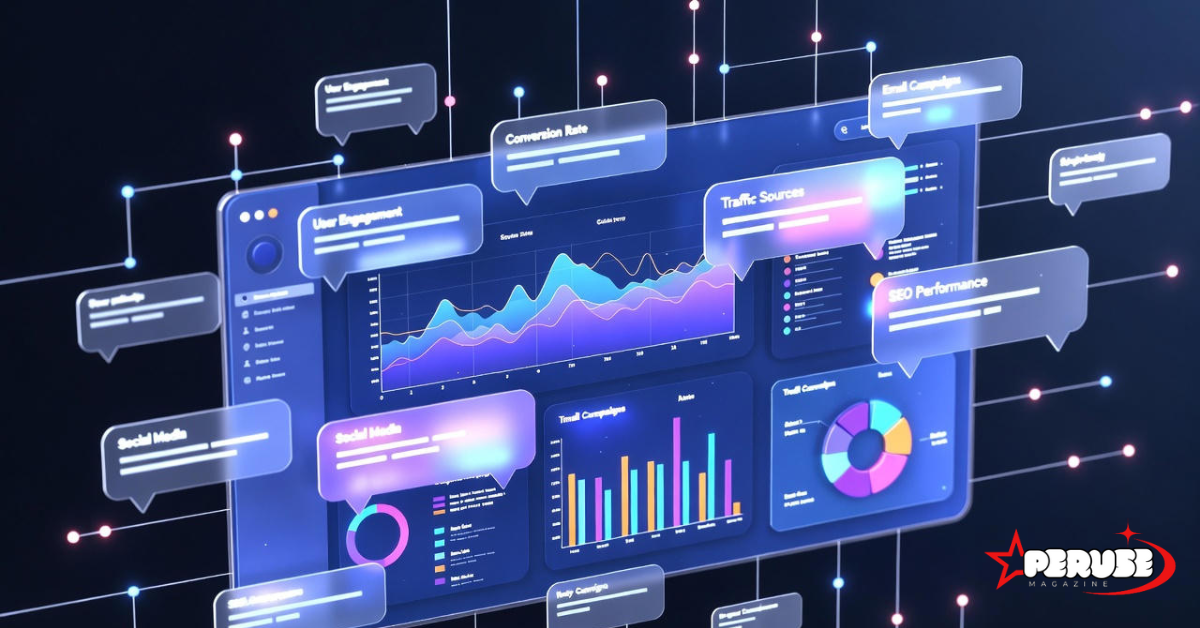
Real-Time Analytics and Behavioral Insights
Beyond open and response rates, the platform delves into conversational analytics. It can show you which dialogue paths lead to conversions, where users are commonly dropping off, and even gauge sentiment trends. I’ve used this data to identify a product feature that was causing consistent confusion—information that fed directly back to the product team.
Robust Geolocation and Personalization Engine
For businesses with physical locations or region-specific offers, this is a game-changer. The platform can automatically tailor conversations based on a user’s location. A visitor from London could be greeted with local event info, while someone in New York sees relevant shipping estimates and promotions. This level of personalization makes engagement feel incredibly relevant.
Seamless Integration and API-First Design
Konversky is built to connect. Out-of-the-box connectors for major CRM systems like Salesforce or HubSpot are common, but its true power lies in a robust API. This allows developers to pipe conversation data into custom data warehouses, trigger workflows in other tools, or pull in customer data to enrich the conversation in real time.
User-Friendly Interface and Collaboration Tools
A powerful tool is useless if teams won’t adopt it. The better conversational platforms, including Konversky, focus on a clean, intuitive interface. Features like internal notes, conversation assignment, and canned response libraries (that are smart, not rigid) help human agents collaborate efficiently with the AI and with each other.
How Konversky Works: A Step-by-Step Breakdown
Let’s walk through a typical implementation lifecycle to demystify the process.
- Integration and Onboarding: You connect Konversky to your key channels (website, social pages). This often involves adding a code snippet to your site and authorizing API access to other platforms.
- Conversation Design and Flow Building: This is the most crucial human step. You design the primary dialogue trees: Welcome sequences, FAQ handlers, qualification bots, and escalation paths to human agents. You define the “voice” of the AI to match your brand.
- Launch and Real-Time Engagement: You go live. The AI handles tier-one queries, routing complex issues to the right team. Managers monitor the dashboard in real-time.
- Analysis, Optimization, and Scaling: Weekly or monthly, you review the analytics. You see which automated flows are failing, which are succeeding, and you refine them. You add new intents based on real user questions.
Tangible Benefits: The Business Impact of Adopting Konversky
The theory is sound, but what are the actual outcomes? Based on common deployments, benefits cluster in a few key areas.
First, customer experience improves dramatically. Resolution times drop, and customers feel heard because the conversation has memory. This directly feeds increased conversion rates. A proactive chat dialogue can guide a hesitant visitor past their objections in real-time.
From an operational standpoint, efficiency gains are significant. By automating 40-60% of routine queries, you free your human team to handle the complex, high-value interactions that truly require empathy and deep expertise. Finally, the strategic insight gained from conversation analytics is arguably the most valuable long-term benefit. You’re essentially conducting continuous market research through every dialogue.
Konversky in Action: Real-World Use Cases
Let’s look at a hypothetical but realistic example: “Bloom & Grow,” a mid-sized e-commerce brand selling gardening supplies.
- Pre-Purchase: A visitor reads a blog post on “shade-loving plants.” Konversky’s AI, noticing this intent, might gently trigger a message offering help selecting plants for shady areas, linking directly to a curated collection.
- Purchase Support: In the cart, a user hesitates. The system detects dwell time and can offer a limited-time shipping discount or a helpful note like, “These bulbs are compatible with the planter in your cart!”
- Post-Purchase: A customer emails asking, “When will my order ship?” Instead of a bare tracking link, Konversky can pull the live tracking status and provide a friendly, detailed update, asking if they need any complementary items like plant food.
- Retention: Two months later, the system sends a personalized check-in email based on the purchase: “How are your ‘Astilbe’ plants doing? Here’s our mid-summer care guide.” This turns a transaction into an ongoing relationship.
Implementing Konversky: A Practical Guide for Your Business
If you’re considering a platform like this, start with strategy, not software.
- Define Your Goals and KPIs: What exactly are you trying to solve? Reduce support ticket volume by 30%? Increase lead conversion from the website by 15%? Be specific.
- Audit Existing Conversations: Look at your current support tickets, live chat logs, and social media comments. What are the most common questions? These are your first automation priorities.
- Design with a Human-in-the-Loop Model: Plan your escalation paths meticulously. Clearly define when and how the AI hands off to a human agent. The transition should be seamless for the customer.
- Start Small, Then Scale: Don’t try to automate every possible conversation on day one. Launch with 3-5 of your most common, repetitive intents. Master those, learn from the data, and then expand.
Addressing Challenges and Considerations
No platform is a magic bullet. The biggest pitfall is setting and forgetting. An untrained, unoptimized conversational AI can do more harm than good, frustrating users with irrelevant responses.
Data privacy is paramount. You must ensure your use of conversation data and any personalization is compliant with regulations like GDPR or CCPA. Transparency with users about how their data is used is non-negotiable.
Finally, recognize that this technology augments your team, it doesn’t replace it. Invest in training your people to work with the AI, to handle the complex escalations and to provide the empathy and creativity that machines cannot.
Konversky vs. Alternatives: Understanding Your Options
The conversational AI landscape is crowded. When evaluating, look beyond feature checklists.
Traditional live chat software is largely reactive, it waits for a user to click. Konversky and similar platforms are proactive, using behavioral triggers to start helpful conversations.
Compared to other AI platforms, Konversky often distinguishes itself through the depth of its analytics and the true unity of its omnichannel inbox. Some competitors may have stronger AI in one area (like voice), but lack the cohesive cross-channel narrative. Your choice should hinge on your primary channel mix and whether you need deep, journey-based analytics or just a robust chat responder.
The Future of Konversky and Conversational AI
We’re moving towards a world where these platforms will move from reactive to predictive. Instead of responding to a question about a faulty charge, the system will predict the issue from backend data and proactively message the customer with a resolution before they even get frustrated.
Voice integration will become more seamless, bridging the gap between smart speakers, phone calls, and digital text chats. Furthermore, these platforms will evolve into central business intelligence hubs, where the insights from millions of customer conversations directly inform product development, marketing strategy, and business operations.
Conclusion
Konversky represents a fundamental shift in how businesses communicate. It’s the infrastructure that turns scattered interactions into coherent, strategic relationships. Success with it doesn’t come from the technology alone, but from the careful, human-centered design of the conversations it facilitates. It requires ongoing attention, a willingness to learn from data, and a commitment to blending AI efficiency with human empathy.
For any organization ready to move beyond one-way communication, mastering a platform like this isn’t just an IT project, it’s a core competitive strategy for the next decade. The goal is to make every customer feel like you’re having one continuous, helpful conversation with them, no matter where or when they reach out. That’s the real power of a sophisticated conversational engine.