

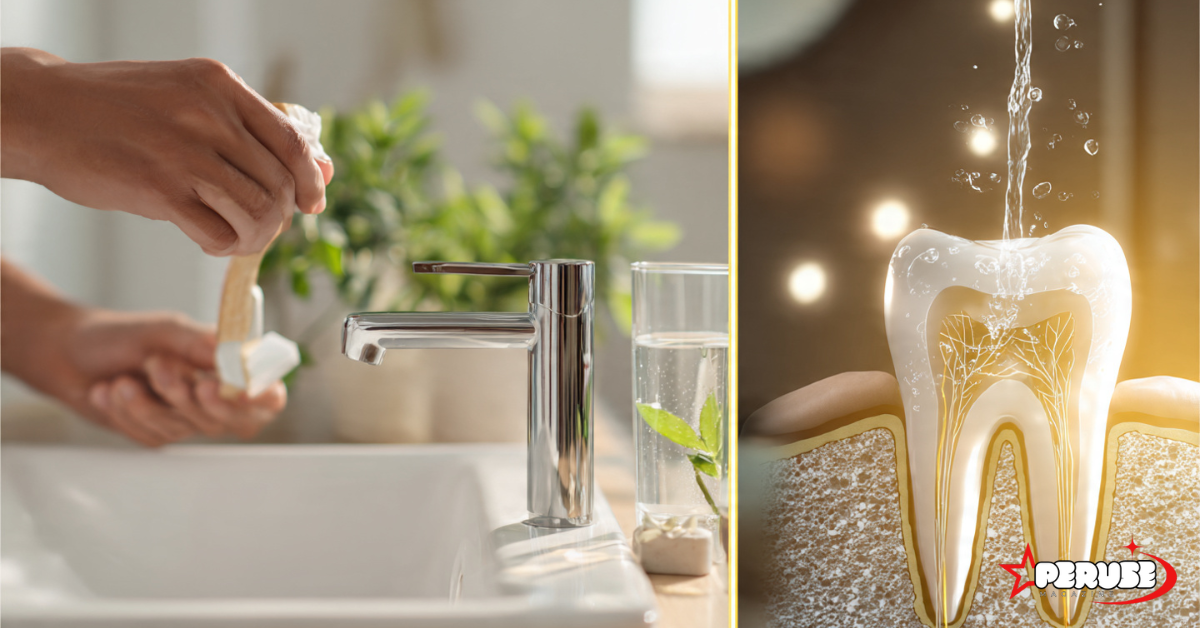
You’ve been chewing on the right side of your mouth for three days straight because the left side pings with a sharp zing every time something sweet hits that molar. You run your tongue over the spot, does it feel sticky? Rough? Or maybe you’re just imagining things because the last dental quote for a filling made your wallet weep. If you’ve found yourself Googling “can you fix tooth decay at home” at 11 p.m., clutching a tube of expensive natural toothpaste like it’s a magic wand, you’re not alone. Millions of us are caught between wanting to believe our bodies can heal themselves and the terrifying reality of a drill whirring in a dental chair.
Here’s the honest, science-backed truth: your mouth is capable of some pretty remarkable self-repair but only up to a point. Understanding where that line sits can save you from pain, wasted money, and potentially losing a tooth you could have saved.
📊 Health Snapshot
| Health Topic | Tooth Decay & Remineralization |
|---|---|
| Main Benefit | Early-stage enamel damage can be reversed; true cavities cannot heal without a dentist |
| Expert Tip | “Focus on fluoride exposure and reducing sugar frequency, not just total sugar amount,” says Dr. Mark Burhenne, DDS, founder of AsktheDentist.com |
| Ideal For | Adults noticing white spots, sensitivity, or early discoloration; anyone avoiding the dentist due to cost or anxiety |
| Backed By | National Institute of Dental and Craniofacial Research (NIDCR) and multiple peer-reviewed studies on fluoride and diet |
What Tooth Decay Actually Is (And Why It Matters)
Tooth decay isn’t a random act of dental cruelty it’s a quiet, ongoing battle happening in your mouth 24/7. Every time you eat or drink something with carbohydrates (especially sugar), bacteria like Streptococcus mutans throw a party. They metabolize those sugars and produce acid as a byproduct. That acid is the villain here, slowly dissolving the minerals that make your enamel strong.
Your enamel is 96% mineral mostly calcium and phosphate making it the hardest substance in your body, even tougher than bone. But it’s not invincible. When acid levels drop the pH in your mouth below 5.5, minerals start leaching out in a process called demineralization. Between meals, your saliva works like a repair crew, washing away acid and redepositing minerals. This back-and-forth is called the demineralization-remineralization cycle.
The problem? When acid attacks outpace repair thanks to constant snacking, poor hygiene, dry mouth, or lack of fluoride your enamel starts to lose ground. Think of it like a bank account: if you withdraw more than you deposit, eventually you go into debt. That debt, in dental terms, is tooth decay.
Understanding this process matters because the solution isn’t about “killing germs” as much as it’s about shifting the balance back in your favor. You can’t sterilize your mouth (and you wouldn’t want to your oral microbiome is crucial for health), but you can create an environment where beneficial bacteria thrive and acid-producing ones behave.
The Critical Difference: Demineralization vs. True Cavities
Here’s where we draw the line that could save your tooth.
Demineralization shows up as chalky white spots on your teeth. These are areas where minerals have been lost, but the enamel’s structure is still intact. Think of it as the “yellow alert” phase there’s damage, but the foundation is still there to rebuild. At this stage, with the right interventions, you can absolutely remineralize the enamel and essentially reverse the damage. The white spot can fade, and the tooth can become strong again.
A true cavity, on the other hand, is a physical hole in your enamel. Once the structure collapses, no amount of fluoride, diet change, or oil pulling can regrow that lost tooth material. Enamel doesn’t have living cells, so it can’t regenerate like skin or bone. It’s like having a crack in a porcelain plate you can stop it from spreading, but you can’t magically fuse the pieces back together.
Dr. Ellie Phillips, a dentist with decades of focus on preventive care, puts it this way: “I have seen teeth with early decay completely recover and become hard and shiny again. But once there’s a break in the surface, nature needs help.” That help comes in the form of fillings, crowns, or other dental restorations.
How can you tell the difference? Run your tongue over the suspect area. Does it feel smooth but look white or slightly dull? That’s likely demineralization. Does it feel sticky, catch your tongue, or have an obvious pit? That’s a cavity. Pain when eating sweets, cold, or hot foods is another red flag that the decay has progressed beyond what home care can fix.
The stakes are real. A study in the Journal of Dentistry found that untreated cavities in adults increase the risk of systemic inflammation and even cardiovascular issues. So while we all want to avoid the drill, ignoring a true cavity is like ignoring a leaky roof it only gets more expensive and dangerous.
What You Can Do at Home: Evidence-Based Remineralization Strategies
If you’re in that early window of demineralization, here’s your action plan. These aren’t folk remedies they’re strategies validated by dental research.
1. Double Down on Fluoride (Your #1 Ally)
Fluoride is the Michael Jordan of tooth remineralization. It works in three ways: it attracts calcium and phosphate ions to rebuild enamel, it makes the new mineral structure more acid-resistant, and it inhibits those acid-producing bacteria.
What to do: Use a fluoride toothpaste with at least 1,000 ppm (most standard ones have 1,450 ppm). Brush twice daily, but here’s the pro tip don’t rinse your mouth with water after brushing. Just spit out the excess. This leaves a thin film of fluoride on your teeth to work its magic overnight or between meals.
If you’re at high risk, ask your dentist about a 5,000 ppm prescription toothpaste or over-the-counter fluoride mouthwash. A 2020 Cochrane review confirmed that fluoride toothpaste reduces decay by about 24% compared to non-fluoride versions. That’s not marketing that’s data.
Word of caution: “Natural” fluoride-free toothpastes might feel virtuous, but without fluoride, you’re essentially cleaning your teeth without sending in the repair crew. As Dr. Burhenne notes, “It’s like washing a car with a hole in the engine looks clean, but doesn’t address the problem.”
2. Adopt a Remineralization Diet
Your teeth need building blocks. The same minerals that acid strips away calcium and phosphate need to be replenished from the inside and outside.
Inside: Make sure you’re getting adequate calcium (1,000 mg daily for most adults), vitamin D (600–800 IU), and magnesium. These nutrients regulate how your body uses calcium. A 2021 study in Nutrients found that vitamin D deficiency significantly increased cavity risk in adults.
Outside: Focus on foods that stimulate remineralization directly. Cheese is a superstar it raises oral pH and contains casein phosphopeptides that stabilize calcium. Crunchy vegetables like celery and carrots stimulate saliva. Green tea contains catechins that inhibit cavity-causing bacteria.
The sugar frequency rule: It’s not about how much sugar you eat, but how often. Sipping a soda over two hours is far worse for your teeth than drinking it in five minutes. Each sip drops the pH and restarts the 20–30 minute acid attack clock. If you must indulge, do it with meals when saliva production is highest.
3. Stimulate Saliva Production
Saliva is your mouth’s natural remineralization serum. It contains calcium, phosphate, and bicarbonate that neutralize acid. If you suffer from dry mouth (from medications, stress, or dehydration), you’re fighting with one hand tied behind your back.
Chew xylitol gum after meals xylitol is a sugar alcohol that bacteria can’t metabolize, so it starves them while stimulating saliva. Aim for 1–2 pieces, 3–5 times daily. A meta-analysis in Clinical Oral Investigations found that xylitol gum reduced cavity incidence by 30–60% in high-risk populations.
Stay hydrated, breathe through your nose (mouth breathing dries tissues), and consider saliva substitutes if you have chronic dry mouth.
4. Supplement Strategically
While food is ideal, supplements can fill gaps. Vitamin K2 helps direct calcium to bones and teeth. Probiotics containing Lactobacillus reuteri or Bifidobacterium strains can crowd out cavity-causing bacteria. A 2019 randomized trial showed probiotic lozenges reduced S. mutans levels significantly.
But remember: supplements are support staff, not the star player. They can’t overcome constant soda sipping or poor brushing.
5. Natural Remedies That Support (Not Fix) Oral Health
Let’s address the elephant in the room: oil pulling. Swishing coconut or sesame oil for 10–20 minutes can reduce plaque and gingivitis, according to a small study in the Journal of Traditional and Complementary Medicine. But it does not reverse cavities. Think of it as a helpful adjunct that might make your mouth feel cleaner, not a substitute for fluoride.
Green tea rinses and turmeric paste have mild anti-inflammatory effects, but the evidence is thin. Use them if you enjoy them, but keep your expectations, and your fluoride toothpaste firmly in place.
What You *Cannot* Fix at Home: When a Dentist Is Mandatory
This is the part nobody wants to hear, but your long-term health depends on it.
If you have any of these, schedule a dental appointment ** within the week **:
- Visible holes or pits in your teeth (even tiny ones)
- Pain that lingers after hot, cold, or sweet stimuli
- Sharp edges that catch your tongue or cheek
- Swelling in your gums, face, or jaw
- Bad breath or a bad taste that won’t go away (sign of infection)
- Fever or general malaise with tooth pain
Here’s why: Once decay breaks through enamel and reaches the softer dentin underneath, it spreads like wildfire. Dentin is more porous and less mineralized, so bacteria can march toward the pulp (the tooth’s nerve center) in months, not years. An abscessed tooth can land you in the emergency room with a life-threatening infection.
Dr. Todd Coy, DMD, a Cleveland-based dentist, shares: “I see patients who tried to ‘heal’ a cavity for six months. By the time they come in, what could have been a simple $200 filling is now a $2,000 root canal and crown. The math doesn’t lie.”
Cost should never be a barrier. Look into dental schools (supervised students provide low-cost care), community health centers with sliding scale fees, or dental savings plans. Many offices offer payment plans. The temporary hit to your budget is far better than permanent tooth loss.
Home Remedies for Pain Relief (Not Decay Reversal)
Maybe you know you need a dentist, but your appointment is next Tuesday and you’re miserable right now. These can help you survive until professional care:
- Clove oil: Contains eugenol, a natural anesthetic. Dilute 1–2 drops in a teaspoon of carrier oil (coconut or olive) and apply with a cotton swab to the painful area. Don’t use undiluted—it can irritate gums.
- Cold compress: Apply to your cheek for 15 minutes to reduce inflammation and numb pain.
- Salt water rinse: ½ teaspoon of salt in a glass of warm water, swish for 30 seconds. It reduces swelling and cleans the area.
- OTC pain relief: Ibuprofen is better than acetaminophen for dental pain because it reduces inflammation.
Never, ever: Place aspirin directly on your tooth or gums (causes chemical burns), use alcohol to numb the area, or apply heat to a swollen area (can worsen infection).
The Remineralization Diet: What to Eat (and Avoid)
We’ve touched on this, but let’s get tactical. Here’s your grocery list for strong teeth:
Eat More:
- Dairy (especially cheese and plain yogurt)
- Leafy greens (kale, spinach)
- Crunchy vegetables (carrots, celery)
- Nuts and seeds (almonds, sesame seeds)
- Fatty fish (salmon, sardines for vitamin D)
- Eggs (vitamin K2 if pasture-raised)
- Green tea (unsweetened)
Limit:
- Soda (including diet the acid is the problem)
- Fruit juice (even 100% juice is acidic and sugary)
- Dried fruit (sticks to teeth)
- Sports drinks
- Frequent snacking on crackers, chips, or sweets
Pro tip: Finish meals with a piece of cheese or a few sips of green tea. Both help neutralize acid immediately.
Mental Health Connection: Overcoming Dental Anxiety
More than 60% of adults have some level of dental anxiety, and for 5–10%, it’s severe enough to avoid care entirely. If that’s you, the shame and fear can create a vicious cycle: you avoid the dentist, problems worsen, and the eventual visit becomes more traumatic.
Start small: Schedule a consultation without treatment. Just meet the dentist, discuss your fears, and create a plan. Many offices now offer sedation dentistry ranging from nitrous oxide (laughing gas) to oral conscious sedation that leaves you relaxed but awake.
Communicate: Use hand signals during procedures. Knowing you can pause anytime gives back a sense of control.
Distraction: Bring noise-canceling headphones with a calming playlist or podcast. Some offices have ceiling-mounted TVs.
Community resources: Federally Qualified Health Centers (FQHCs) provide care regardless of ability to pay and often have staff trained in trauma-informed care.
Remember: modern dentistry is far less painful than the horror stories your parents told. Local anesthetics are better, techniques are gentler, and a good dentist will prioritize your comfort. The temporary anxiety of an appointment is far less than the chronic stress of wondering if every bite will cause pain.
FAQs: “Can You Fix Tooth Decay at Home?”
Q: Can small cavities heal without fillings?
A: Only if they’re still in the demineralization phase (white spots). True cavities that have broken through the enamel surface cannot heal on their own and require a dentist.
Q: How do I know if my cavity is still early-stage?
A: If it’s a smooth, white, chalky spot without pain, it might be early. If you feel a hole, have lingering pain, or see dark discoloration, it’s progressed too far for home care.
Q: Does oil pulling reverse cavities?
A: No. Oil pulling can reduce plaque and improve gum health, but it cannot remineralize enamel or fill holes. It’s an adjunct, not a treatment.
Q: How long does remineralization take?
A: With consistent fluoride use and diet changes, you may see improvement in white spots within 3–4 months. Full remineralization can take 6–12 months.
Q: Can children’s cavities heal at home?
A: Children’s enamel is thinner and decay progresses faster. While the same principles apply, any sign of decay in a child warrants immediate dental evaluation. Don’t wait.
Q: What happens if I wait too long?
A: Decay reaches the pulp, causing infection (abscess), severe pain, tooth loss, and possible systemic health issues. Treatment becomes more invasive and expensive.
Q: Are natural toothpastes enough?
A: Most natural toothpastes lack fluoride and can’t prevent cavities effectively. If you prefer natural brands, look for ones that include fluoride.
When to See a Dentist: A Checklist
📅 Within 1–2 weeks: White spots that don’t improve after 3 months of diligent home care
📅 Within 1 week: Any pain, sensitivity, visible holes, or rough spots
📅 Same day: Swelling, fever, severe pain, or foul taste (possible infection)
Your action plan: If you’re unsure, book a consultation. Early-stage demineralization might be reversible, but only a dentist can confirm with exam and X-rays. The cost of a checkup is minimal compared to the cost of regret.
Editor’s Final Takeaway: Focus on Prevention, Not Panic
We live in an era of wellness influencers promising you can heal anything with the right superfood or supplement. While that optimism is appealing, your teeth operate on stricter biology. The good news? You have more control than you think.
Start tonight: brush with fluoride toothpaste, don’t rinse, and floss. Tomorrow, swap your afternoon soda for green tea and a cube of cheese. In three months, you might see those white spots fade. In a year, you could have a completely different dental outlook.
But if you feel that telltale stickiness or sharp pain, pick up the phone. Modern dentistry isn’t the enemy neglect is. Your future self, biting into a crisp apple without hesitation, will thank you.
Health isn’t about perfection it’s about consistency. What small step will you take today toward a stronger, healthier smile?
References & Further Reading