

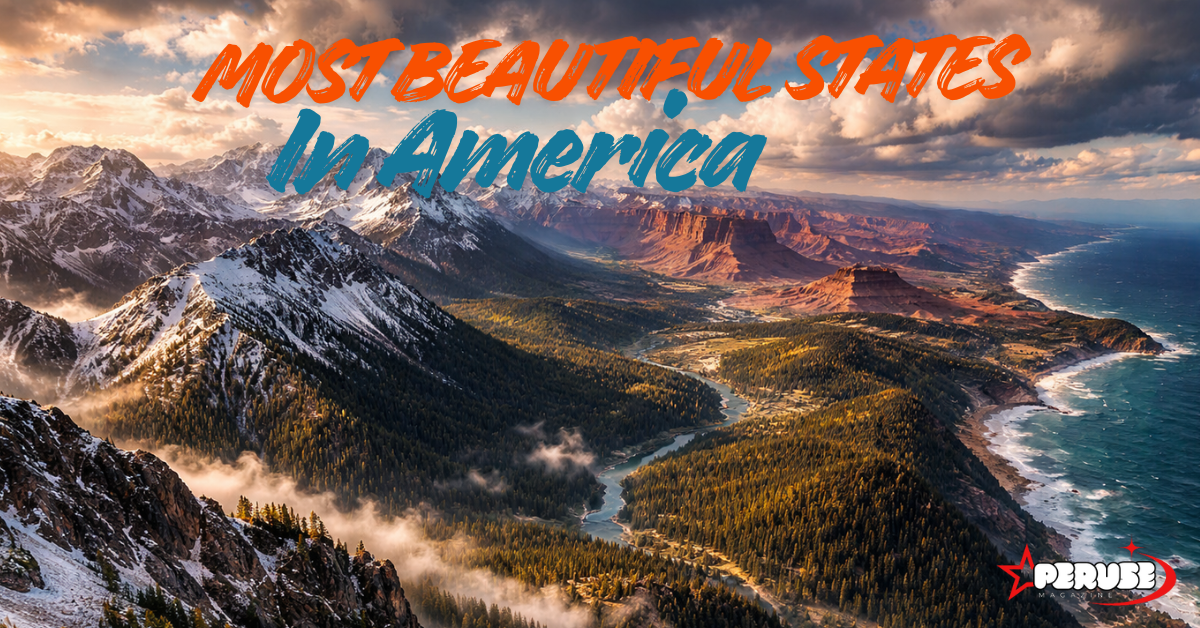
After driving more than 50,000 miles across every region of this country, I can tell you that ranking the most beautiful states in america isn’t just about counting postcard views. It’s about geographic diversity, the drama of natural light, accessibility to wilderness, and those unexpected moments when a landscape stops you cold. I’ve stood on mountaintops at sunrise, hiked slot canyons at golden hour, and driven coastal highways through ocean fog. This ranking reflects real field experience, not just pretty pictures on Instagram.
How We Ranked America’s Most Beautiful States
Our Scoring Criteria: Geographic Diversity, Visual Drama, and Accessibility
I developed a four-point system after years on the road. First, geographic diversity—how many distinct ecosystems exist within state borders. Second, visual drama—the sheer impact of the scenery. Third, accessibility—can you actually experience these landscapes without a helicopter or month-long expedition? Fourth, photographic potential—does the light, terrain, and seasonality reward repeat visits?
Personal Experience Methodology: 50,000+ Miles of Field Research
My ranking isn’t theoretical. I’ve camped in all 10 states during multiple seasons. I’ve photographed them in harsh midday sun and soft alpenglow. I’ve dealt with park reservations, timed entry systems, and that frustrating moment when a wildfire smoke ruins a composition. This methodology means I can tell you which scenic byways are worth the detour and which national parks feel disappointingly crowded.
Beyond Postcards: Why Diversity of Landscapes Matters Most
A state with one stunning national park is impressive. A state with coastal cliffs, alpine peaks, desert canyons, and old-growth forests? That’s next-level. California wins not because it has the single most beautiful place in America (though Yosemite Valley certainly competes), but because you can experience more distinct types of natural beauty in one week here than anywhere else.
The Top 10 Most Beautiful States in America
Every top 10 list generates arguments. I’ve had heated debates with other landscape photographers about these rankings. But here’s the honest truth: the difference between #10 and #1 is minuscule. Every state on this list will exceed your expectations.
#10: Maine — Rugged Atlantic Coastlines and Unspoiled Wilderness
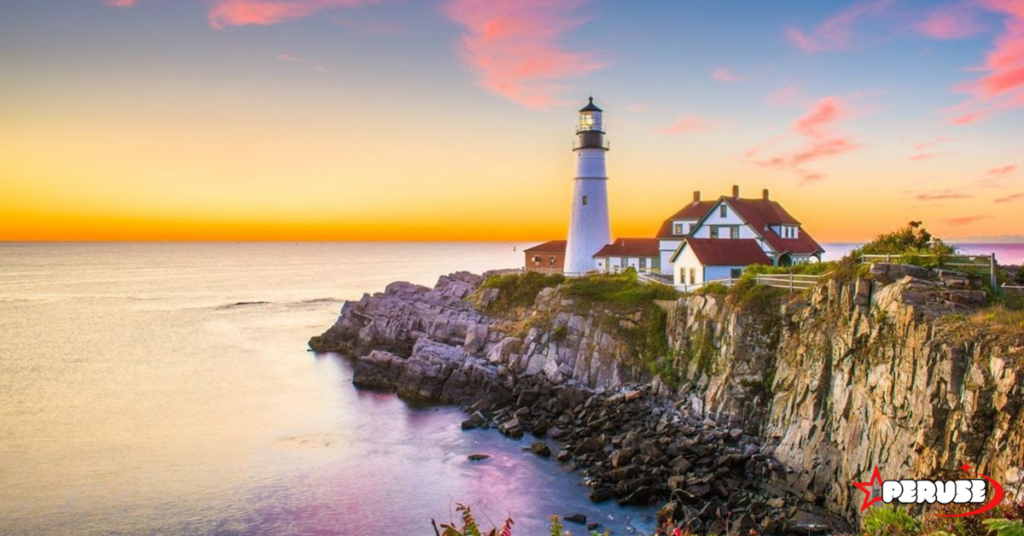
Maine surprised me. I expected quaint lighthouses and lobster rolls. I didn’t expect some of the most dramatic coastal wilderness on the East Coast.
Acadia National Park’s Crown Jewel Status
Cadillac Mountain’s sunrise phenomenon—being the first place to see daylight in the U.S. for half the year—isn’t marketing hype. I’ve shot there at 4 AM in October, watching fog spill between islands as the sky shifted from purple to gold. The park’s carriage roads, designed by Rockefeller, create perfect vantage points without the crowds of Yosemite or Zion.
Picturesque Small Towns: Camden, Bar Harbor, and Stonington
Camden’s harbor, with schooners against a backdrop of forested mountains, defines New England charm. But venture to Stonington, a working fishing village on Deer Isle, and you’ll find granite shores, quiet coves, and the kind of unspoiled coastline that disappeared from the rest of the Atlantic seaboard decades ago.
Best Seasonal Timing: Fall Foliage and Summer Coastal Mists
Late September through mid-October transforms Maine’s maple and birch forests into a red and gold spectacle. But summer mornings bring ethereal coastal fogs that roll across spruce-clad islands. I once spent three days waiting for conditions to shoot Mowry Beach—the payoff was an otherworldly scene of ghostly islands emerging from silver mist.
Hidden Gems: Cutler Coast Preserves and Moosehead Lake Region
The Cutler Coast Public Reserved Land offers 12 miles of trails along dramatic cliffs most tourists never see. Moosehead Lake, larger than some national parks, delivers backcountry canoe camping with views that rival Minnesota’s Boundary Waters.
#9: Montana — Big Sky Country’s Raw Alpine Grandeur
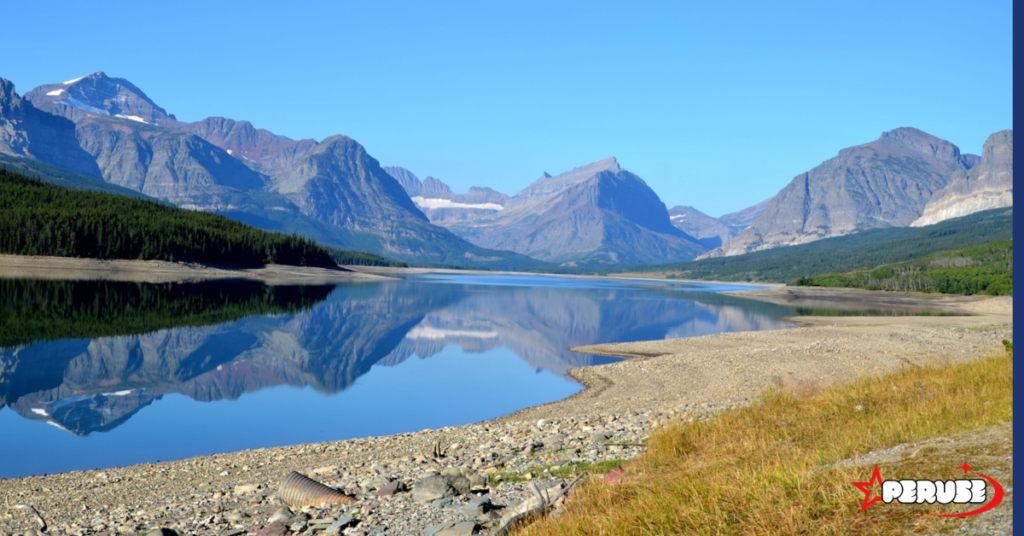
Montana’s beauty is raw, vast, and humbling. This isn’t manicured scenery—it’s wilderness that reminds you of your smallness.
Glacier National Park’s Crown of the Continent
I’ve backpacked the Continental Divide Trail through Glacier’s backcountry. The Garden Wall, a knife-edge ridge with thousand-foot drops on both sides, offers views that make the Grand Canyon feel almost domesticated. The park’s 26 glaciers (rapidly disappearing) feed turquoise lakes that define the term “impossible blue.”
Scenic Byways: Going-to-the-Sun Road and Beartooth Highway
Going-to-the-Sun Road is engineering as art, carving across the park’s spine. But the Beartooth Highway, just outside the park boundary, might be more spectacular—a 68-mile alpine drive above treeline with views into Wyoming. I’ve shot both at sunrise, and the Beartooth’s high-altitude light is unmatched.
Vast Wilderness Areas: Bob Marshall Complex
Montana’s wilderness areas exceed the size of some eastern states. The Bob Marshall Wilderness Complex spans 1.5 million acres without a single road. This is where you go when you want to see what America looked like before European contact.
Photography Hotspots: Northern Lights and Wildlife Corridors
Winter nights in northern Montana occasionally reveal the aurora borealis. More reliably, the wildlife corridors along Highway 93 offer grizzly bears, wolves, and mountain goats against alpine backdrops that require no cropping to look epic.
#8: Arizona — Red Rock Country and Desert Cathedral Landscapes
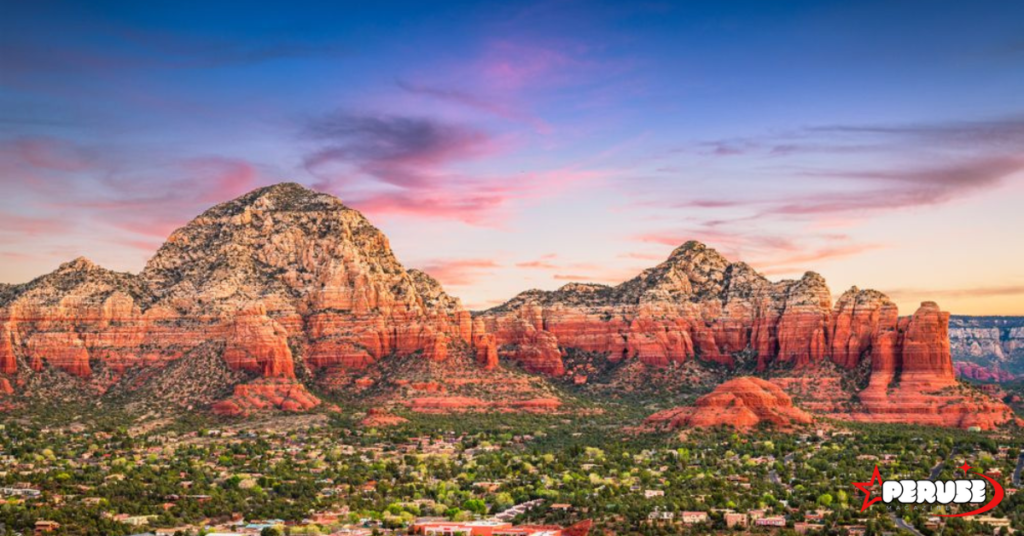
Arizona’s reputation rests on the Grand Canyon, but the state’s beauty runs far deeper than that single chasm.
Grand Canyon’s Unmatched Scale and Light Play
I’ve hiked rim-to-rim twice. The Canyon’s beauty isn’t just its scale—it’s how light transforms the rock layers throughout the day. Dawn at Yaki Point reveals purple shadows in side canyons. Sunset at Hopi Point sets the entire canyon ablaze. But the real secret? Monsoon season in July and August, when afternoon thunderstorms create dramatic skies and fleeting rainbows.
Sedona’s Volcanic Formations and Oak Creek Canyon
Sedona’s red rocks are magnetic. Cathedral Rock at sunrise, reflected in Oak Creek, is one of America’s most photographed scenes for good reason. But explore beyond the vortex trails and you’ll find secret arches, hidden canyons, and geological formations that look like modern art sculptures.
Monument Valley Navajo Tribal Park
This isn’t a national park—it’s sovereign Navajo land. The Mittens and Merrick Butte create the definitive American West panorama. I’ve photographed it during blue hour, when the buttes turn deep purple against an orange sky. The cultural significance adds layers to the visual drama.
Lesser-Known: Havasupai Falls and Sonoran Desert Blooms
Havasupai’s turquoise waterfalls require a 10-mile hike and camping permit that sells out in hours. The effort is justified. Spring in the Sonoran Desert, especially after a wet winter, transforms the landscape with wildflower superblooms that carpet the desert floor in yellow, orange, and purple.
#7: Washington — Volcanic Peaks and Temperate Rainforests

Washington packs more ecological variety into its borders than most countries. I’ve photographed it in every season, and it never repeats itself.
Olympic National Park’s Three Ecosystems
In one day, you can walk through moss-draped temperate rainforest, alpine wildflower meadows, and a wild Pacific beach. Hurricane Ridge offers 360-degree views of the Olympic Mountains. Rialto Beach’s sea stacks and driftwood create compositions that feel prehistoric.
Mount Rainier’s Wildflower Meadows
Summer at Paradise, on Rainier’s south flank, delivers mind-bending wildflower displays against snowfields. The mountain’s symmetrical cone, visible from Seattle, serves as a constant reminder of volcanic beauty. I’ve photographed it during full moon rises when the snow glows with ethereal light.
San Juan Islands Coastal Beauty
The ferry ride to Orcas Island might be America’s most beautiful commute. The islands’ mix of forested hills, rocky shores, and mountain backdrops create a Mediterranean-meets-Pacific aesthetic that feels surprisingly international.
Seasonal Drama: Pacific Storms and Alpine Glow
Winter storms rolling in from the Pacific generate massive waves and dramatic skies. Summer’s alpine glow at sunset, when high peaks catch the last light, creates the kind of conditions landscape photographers chase for weeks.
#6: Oregon — Diverse Geography from Coast to Desert
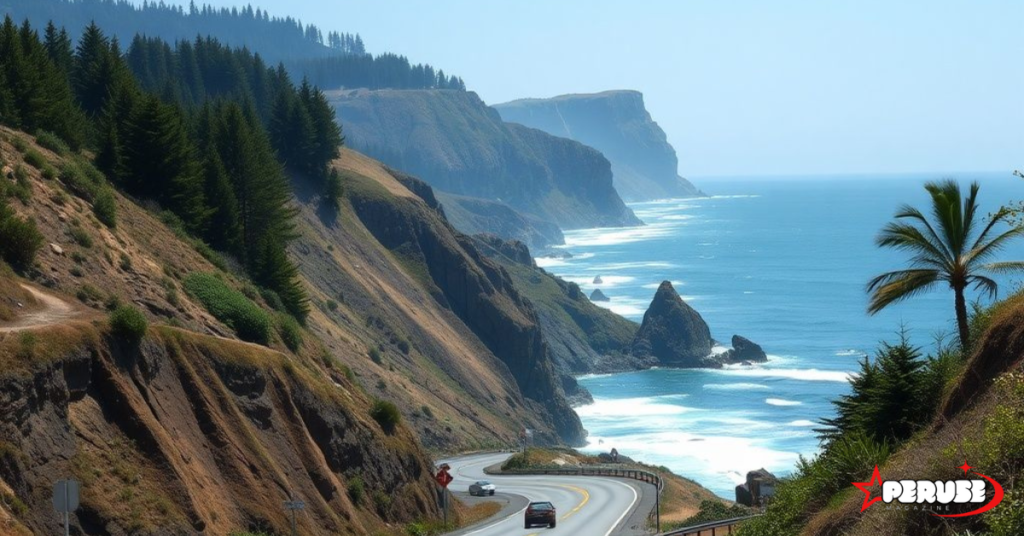
Oregon’s beauty sneaks up on you. It’s not as immediately dramatic as Utah or Alaska, but its variety and accessibility make it a photographer’s playground.
Cannon Beach and the Rugged Oregon Coast
Haystack Rock at sunset is iconic for a reason. But the entire 363-mile coastline is public land, offering endless compositions of sea stacks, arches, and hidden coves. I’ve spent weeks driving Highway 101, discovering secret beaches that appear only at low tide.
Crater Lake’s Impossible Blue Depths
The deepest lake in America, Crater Lake’s color is almost unnatural. Wizard Island rises from the azure water like a punctuation mark. Winter access is limited, but the contrast of snow against that blue in June is worth the seasonal timing challenges.
Columbia River Gorge Waterfalls
Multnomah Falls gets the crowds, but the Gorge contains over 90 waterfalls. Wake up at 5 AM, and you’ll have Wahclella Falls or Ponytail Falls to yourself. The morning mist and beam effects create conditions that feel like a fantasy film set.
High Desert: Painted Hills and Smith Rock
Central Oregon’s high desert delivers unexpected beauty. The Painted Hills, part of the John Day Fossil Beds, show colored bands of ancient soils that look like abstract expressionism. Smith Rock’s volcanic spires attract climbers and photographers seeking dramatic golden hour light.
#5: Wyoming — Yellowstone and the Tetons’ Dramatic Convergence
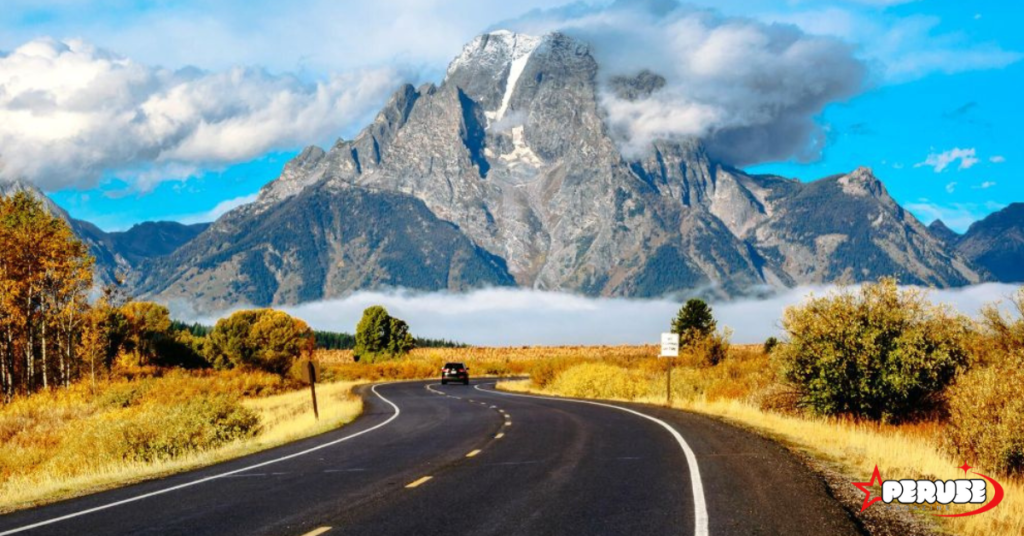
Wyoming makes the top five because it concentrates two of America’s most spectacular national parks into one state with minimal human development between them.
Grand Teton National Park’s Iconic Silhouette
The Teton Range rises 7,000 feet directly from the valley floor without foothills. This geological quirk creates the most dramatic mountain skyline in North America. Schwabacher Landing at sunrise, with the mountains reflected in beaver ponds, is a composition so perfect it feels staged.
Yellowstone’s Geothermal Wonderland
Yellowstone’s beauty is weird. Geysers, hot springs, and mud pots create alien landscapes. Grand Prismatic Spring, shot from the overlook trail, reveals colors that seem digitally enhanced. The Lamar Valley offers wildlife densities that feel like an African safari, but with wolves and grizzlies instead of lions.
Wind River Range Alpine Lakes
Less famous than the Tetons but equally spectacular, the Winds contain 2,300 lakes. Cirque of the Towers is a photographer’s dream—jagged peaks reflecting in perfect alpine tarns. Access requires backpacking, which keeps crowds manageable.
Road Trip Integration: Beartooth All-American Road
Wyoming’s geography makes it a perfect hub. The Beartooth Highway (US-212) connects to Montana, offering a 3-state scenic loop that includes the Tetons, Yellowstone, and Glacier in one epic road trip.
#4: Alaska — Untamed Wilderness on a Colossal Scale
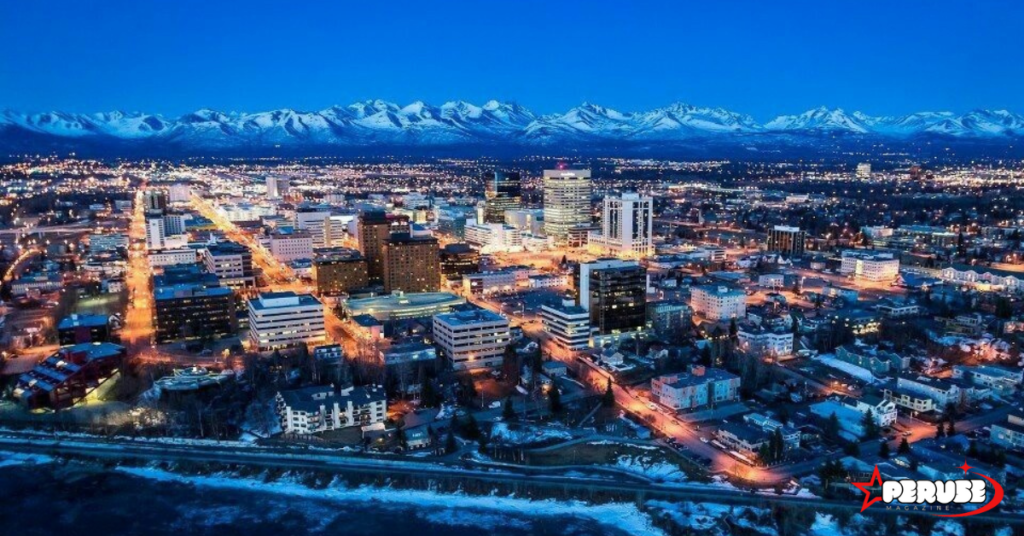
Alaska’s beauty is overwhelming. Everything is bigger, wilder, and more extreme. But accessibility issues keep it from ranking higher.
Kenai Fjords’ Glacier-Fed Dramas
I’ve taken six boat trips into Kenai Fjords National Park. Each one revealed different conditions—fog, sun, rain, calm seas. Watching a tidewater glacier calve, sending house-sized ice chunks crashing into the ocean, is a visceral experience that photographs can’t capture.
Denali’s Solitary Mountain Majesty
Denali isn’t just North America’s highest peak—it’s the world’s most prominent. The mountain creates its own weather and is visible only 30% of the time. I spent a week at Wonder Lake, and Denali revealed itself fully on just one morning. That morning justified the entire trip.
Inside Passage Fjords and Marine Wildlife
The ferry from Bellingham to Skagway is a budget-friendly cruise through fjords deeper than Norway’s. Humpback whales breach against forested mountain backdrops. Bald eagles are as common as pigeons.
Accessibility Challenges and Flightseeing Value
Alaska’s beauty is expensive to experience. Flightseeing tours, while costly, are often the only way to access remote glaciers and mountains. A 45-minute flight over Denali costs more than a week of camping, but the perspective is irreplaceable.
Seasonal Extremes: Midnight Sun and Aurora Viewing
Summer’s midnight sun creates golden hour conditions that last for hours. Winter’s darkness reveals auroras that dance across the sky. I’ve photographed both, and both require completely different skill sets and equipment.
#3: Colorado — Rocky Mountain High and Desert Canyon Fusion
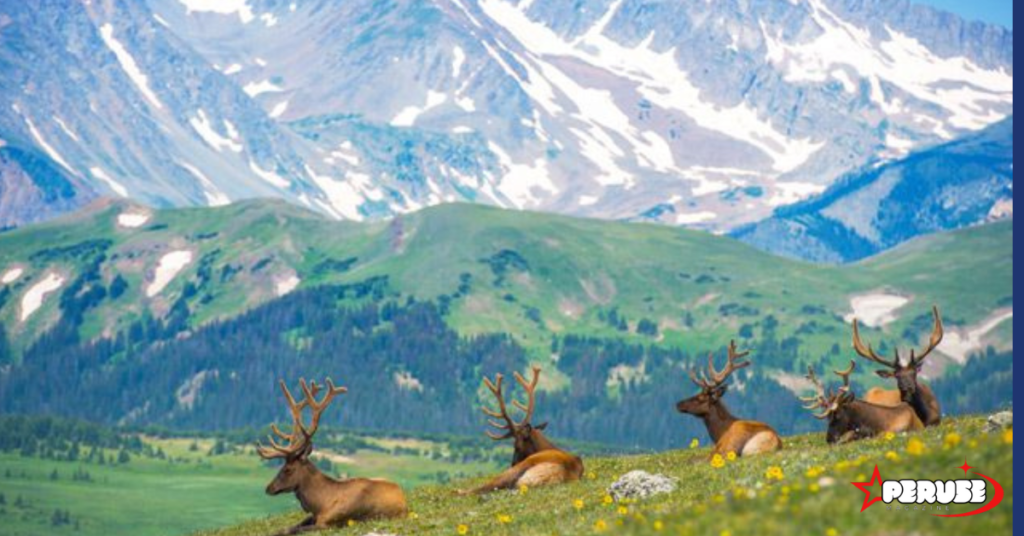
Colorado combines alpine splendor with desert canyons in a single state. Its accessibility and 300 days of sunshine make it a perennial favorite.
Rocky Mountain National Park’s Accessibility
Trail Ridge Road crosses the Continental Divide at 12,183 feet. The park’s proximity to Denver means you can photograph elk at sunrise and be back in the city for lunch. But wake up early, and the experience feels wild.
San Juan Mountains’ Wildflower Peaks
The San Juans, in southwestern Colorado, contain the most photographed peaks in North America. Maroon Bells’ reflection in Maroon Lake is the classic shot, but nearby Snowmass Lake offers similar drama with fewer crowds. July’s wildflower bloom transforms high meadows into color fields.
Black Canyon of the Gunnison’s Depth
This is America’s least-known spectacular canyon. Painted Wall, the tallest cliff in Colorado, rises 2,250 feet from the Gunnison River. The canyon’s narrowness creates dramatic shadows and light beams that professional photographers guard as secret spots.
Million Dollar Highway Scenic Drive
US-550 between Ouray and Silverton is arguably America’s most beautiful mountain road. Waterfalls cascade directly onto the pavement. The road clings to cliffs with thousand-foot drop-offs and no guardrails. I’ve driven it five times, and it still makes my palms sweat.
Fourteeners and High Alpine Photography
Colorado has 53 peaks over 14,000 feet. Each offers unique compositions. Longs Summit requires technical climbing, but Mount Elbert is a walk-up with panoramic views. The effort-to-reward ratio for photographers is unmatched.
#2: Utah — The Most Concentrated Scenic Density in America
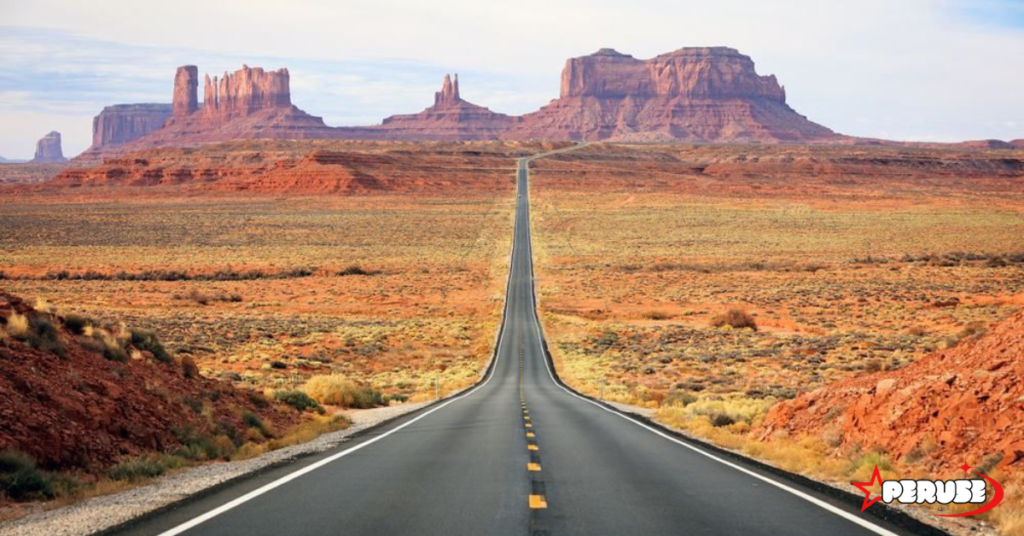
If beauty per square mile were the metric, Utah would win. The state concentrates five national parks, eight national monuments, and countless state parks into landscapes that feel like different planets.
Mighty 5 National Parks: Arches, Zion, Bryce, Canyonlands, Capitol Reef
I’ve photographed all five across multiple seasons. Zion’s Narrows, wading through the Virgin River with thousand-foot walls, is a bucket-list shot. Bryce’s hoodoos at sunrise, when the rock formations glow orange, defy description. Arches’ Delicate Arch at sunset is iconic, but nearby Fiery Furnace offers abstract compositions without the Instagram crowds.
Scenic Byway 12’s Unmatched Concentration
This 124-mile road connects Bryce Canyon and Capitol Reef, passing through Grand Staircase-Escalante National Monument. The drive includes Hogback Ridge, where the road drops away on both sides for miles. Every turnout offers a different geological wonder.
Slot Canyons and Desert Vistas
Antelope Canyon gets the hype, but it’s crowded and expensive. Buckskin Gulch, the world’s longest slot canyon, offers similar light beams with permit-only access that limits crowds. I’ve backpacked it twice, and the play of light on sculpted sandstone is pure magic.
Dark Sky Parks and Astrophotography
Natural Bridges National Monument was the world’s first International Dark Sky Park. Utah has more dark sky parks than any other state. I’ve photographed the Milky Way rising over Mesa Arch, and the experience—alone in the desert at 2 AM—is spiritual.
Commercial Intent: Zion Narrows Permits and Guided Tours
Accessing the best spots requires planning. Zion’s Narrows permits release three months ahead and sell out in minutes. Guided photography tours in slot canyons provide local knowledge and safety equipment worth the premium for serious shooters.
#1: California — Unbeatable Geographic Diversity at Scale
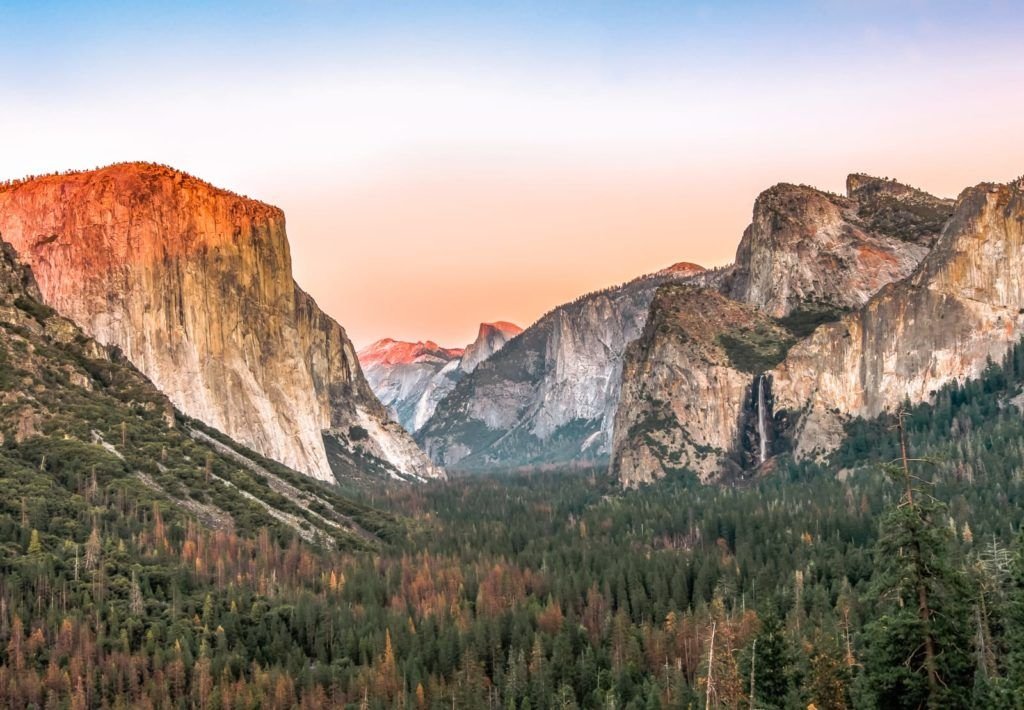
California wins because it contains every type of natural beauty found in all other states combined, plus some that exist nowhere else.
Why California Wins: Ocean, Mountains, Desert, Forest in One State
In one week, I photographed sea otters in Monterey Bay, backpacked the John Muir Trail, shot sunset in Death Valley below sea level, and photographed the world’s tallest trees. No other state offers this range.
Yosemite National Park’s World-Class Status
Yosemite Valley’s beauty is so perfect it feels conceptual. El Capitan, Half Dome, Bridalveil Fall—each is a geographic celebrity. But hike to Taft Point or Sentinel Dome for views without the Valley’s crowds. I’ve shot there in every season; winter, with snow and ice, is the most dramatic.
Big Sur’s Coastal Drama
Highway 1 between Carmel and San Simeon offers 90 miles of cliffs, sea stacks, and hidden beaches. McWay Falls, an 80-foot waterfall dropping directly onto a beach, is unique in North America. I’ve spent entire days watching the light change at Garrapata State Park, where each cove reveals new compositions.
Sierra Nevada High Country
The John Muir Trail through the High Sierra is 211 miles of alpine perfection. Thousand Island Lake, with Banner Peak reflected in its waters, is my favorite composition in America. The granite light in late afternoon turns the mountains pink—it’s called “alpenglow” and it’s addictive.
Death Valley’s Extreme Beauty
Below sea level, Death Valley’s landscape feels extraterrestrial. Mesquite Flat Sand Dunes, sculpted by wind into perfect curves, offer minimalist compositions. Zabriskie Point’s badlands glow at sunrise. After rare rain, the valley floor explodes with wildflowers—the “superbloom” that attracts photographers worldwide.
Redwood National and State Parks
The world’s tallest trees create a cathedral-like atmosphere. Fern Canyon, with 50-foot walls covered in ferns, feels like Jurassic Park (and was filmed there). The scale is impossible to capture in photos—you need to experience it.
Lake Tahoe’s Alpine Perfection
Lake clarity of 70 feet, surrounded by peaks. Emerald Bay’s island and fjord-like inlet is one of the West’s most photographed spots. Summer’s cobalt water contrasts with winter’s snow-covered shores.
Channel Islands’ Hidden Coastal Wilderness
Accessible only by boat, Channel Islands National Park preserves California as it was 500 years ago. Santa Cruz Island’s sea caves and endemic foxes offer unique subjects. The isolation means no crowds—just you and the Pacific.
Honorable Mentions: States That Nearly Made Our Top 10
Hawaii: Island-Specific Beauty and Volcanic Landscapes
Hawaii would rank higher if accessibility and cost weren’t factors. Each island is different. Kauai’s Napali Coast, photographed by boat or helicopter, rivals any coastal scenery globally. Hawaii’s volcanoes create constantly changing landscapes. But inter-island travel and expense make it less practical than mainland states.
New York: Adirondacks and Finger Lakes Underrated Appeal
The Adirondack Park, larger than Yellowstone, Glacier, and Grand Canyon combined, offers 46 high peaks and 3,000 lakes. The Finger Lakes’ vineyard-covered hills and waterfalls surprise visitors expecting only NYC skyscrapers.
Tennessee/NC: Great Smoky Mountains’ Biodiversity
The Smokies are the most biodiverse park in the national system. Clingmans Dome’s sunrise views extend over 100 miles. But the area’s dense forests, while beautiful, lack the open vistas that define western states’ grandeur.
Idaho: Sawtooth Wilderness and River Canyons
Idaho’s Sawtooth Range offers Colorado-quality mountains without the crowds. The Snake River Canyon, especially near Twin Falls, provides dramatic river views. Idaho is a sleeper pick for photographers willing to explore.
Regional Beauty Breakdown: Best Landscapes by Geographic Zone
Pacific Northwest: Temperate Rainforests and Volcanic Arc
Washington and Oregon dominate this zone. The combination of active volcanoes, coastal rainforests, and high desert creates variety that takes months to exhaust. I’ve spent three weeks just on the Olympic Peninsula and barely scratched the surface.
Desert Southwest: Red Rock and Canyon Country
Utah and Arizona define this region. The Colorado Plateau’s geology creates scenery that looks photoshopped. Spring and fall offer the best light and temperatures. Summer monsoons provide dramatic skies but dangerous flash floods.
Rocky Mountains: Alpine Peaks and High Altitude Lakes
Colorado, Montana, and Wyoming represent the Rockies’ core. The Continental Divide creates dramatically different ecosystems on its western and eastern slopes. Wildflower season in July is peak photography time.
Northeast: Fall Foliage and Coastal Charm
Maine represents the best of this region, but Vermont’s Green Mountains and New Hampshire’s White Mountains offer similar autumn brilliance. The season is short—peak foliage lasts about 10 days in any given location.
Southeast: Blue Ridge Parkway and Gulf Coast
The Blue Ridge Parkway in North Carolina/Virginia offers 469 miles of scenic driving. The fall foliage here is more subdued but lasts longer than New England. The Gulf Coast’s white sand beaches provide a completely different aesthetic.
Great Plains: Badlands and Prairie Skies
South Dakota’s Badlands and North Dakota’s Theodore Roosevelt National Park offer stark, overlooked beauty. The region’s real visual payoff is sky—the endless horizons create sunset and storm light shows that feel cinematic.
Ultimate Road Trip Itineraries for Scenic State Adventures
2-Week Classic West Loop: California, Oregon, Washington
Start in San Francisco, drive Highway 1 to Redwood, cut inland to Crater Lake, then north through Oregon’s Columbia Gorge. Cross into Washington for Mount Rainier and Olympic. Fly out of Seattle. This loop hits three top-10 states with minimal backtracking.
10-Day Desert Southwest Circuit: Utah, Arizona, Nevada
Fly into Las Vegas, drive directly to Zion. Loop through Bryce, Capitol Reef, and Arches. Drop south to Monument Valley, then Grand Canyon. End in Phoenix. This concentrates the most beautiful states road trip scenery into the shortest distance.
7-Day Rocky Mountain High Route: Colorado, Wyoming, Montana
Start in Denver, drive Trail Ridge Road, then west to the San Juans and Million Dollar Highway. Head north through Wyoming’s Tetons and Yellowstone. Finish in Montana’s Glacier. This high-altitude loop requires summer timing but delivers nonstop alpine scenery.
Seasonal Timing for Maximum Visual Impact
Desert locations peak in spring and fall. Mountain passes are snowbound until July. Coastal areas offer year-round opportunities but winter storms create the most dramatic seascapes. Plan your most beautiful states road trip around these windows.
Photography Guide: Capturing Each State’s Signature Beauty
Golden Hour Strategies for Mountainous States
In the Rockies and Sierra Nevada, golden hour is actually “golden two hours.” The high peaks catch light long after valleys go dark. Shoot from high vantage points looking west at sunrise and east at sunset for the best alpenglow.
Coastal Photography: Tide Timing and Weather Windows
Check tide charts. Low tide reveals compositions at Big Sur and Olympic coasts. High tide creates dramatic wave action. The hour before and after storms clears the air and saturates colors—my best Oregon coast shots came after Pacific squalls.
Desert Landscapes: Managing Harsh Light and Storm Drama
Desert photography is about extremes. Midday sun is useless—scout locations instead. Late afternoon and early morning provide workable light. But the secret weapon is monsoon season. The build-up of cumulus clouds creates dramatic skies and occasional lightning (use extreme caution).
National Parks Permit Systems for Commercial Shoots
Most parks require commercial photography permits, even for social media influencers. Arches and Zion have implemented timed entry systems. Apply for backcountry permits three months in advance—for Havasupai, set an alarm for permit release day.
Gear Recommendations by Region
Desert Southwest: Dust is the enemy. Bring sensor cleaning kits and weather-sealed bodies. A 16-35mm lens is essential for slot canyons.
Pacific Northwest: Rain is constant. Pack rain covers, silica gel for gear storage, and microfiber cloths. A 70-200mm lens compresses layered misty forests.
Rocky Mountains: Weight matters at altitude. Bring a lightweight tripod and mirrorless system. A 24-105mm covers most mountain compositions.
When to Visit: Seasonal Beauty Calendar by State
Spring Wildflower Peaks: Death Valley, Texas Hill Country
Death Valley’s superbloom (February-March after wet winters) and Texas Hill Country bluebonnets (April) are fleeting but spectacular. Monitor rainfall forecasts and be ready to book last-minute flights.
Summer Alpine Access: Colorado, Montana, Washington
High country is snow-free by July. Wildflower peaks occur late July through early August. This is the only window for most Rocky Mountain backcountry.
Fall Foliage Windows: Maine, Vermont, Great Smokies
Maine and Vermont peak in late September to mid-October. The Smokies offer a longer window from mid-October to early November. Exact timing varies by elevation—higher peaks turn first.
Winter Snow Scenes: Rocky Mountains, Alaska Range
Winter transforms mountains into minimalist compositions. Rocky Mountain National Park’s Longs Peak dusted in snow is sublime. Alaska’s winter aurora and dog sledding scenes attract cold-weather photographers.
Year-Round Destinations: Southern California, Arizona
These states offer reliable shooting conditions anytime. Summer is hot but provides monsoon skies. Winter offers snow in high elevations and mild desert temperatures.
Planning Your Trip: Practical Tips for Beauty-Focused Travel
National Parks Reservation Systems and Timed Entry
Zion, Arches, Rocky Mountain, and Glacier now require advance reservations for entry during peak hours. Book these 60-90 days ahead through Recreation.gov. For backcountry permits, set calendar alerts for release dates—they sell out in minutes.
Scenic Byway Navigation Apps
Download offline maps. Cell service is unreliable on most scenic byways. Gaia GPS and AllTrails work without signal. For the Million Dollar Highway and Beartooth Pass, check road conditions daily—winter snows can close them even in June.
Budgeting for Multi-State Road Trips
Gas, camping fees, and park entry add up. A 10-day loop through three states typically costs $1,500-2,000 per person, excluding flights. National Park annual passes ($80) pay for themselves after three parks. BLM and Forest Service camping is often free or $5-10 nightly.
Accommodation Near Iconic Vistas
Camping inside parks offers the best access for sunrise and sunset. Many park campgrounds fill months ahead, but some (like Arches’ Devils Garden) release sites at 8 AM for same-day arrival. Outside parks, small towns like Moab, Estes Park, and Port Angeles offer lodging—book ahead but check cancellation policies for flexibility.
Leave No Trace Principles for High-Impact Areas
The most beautiful places face the most pressure. Stay on trails, even for photos. Pack out everything, including micro-trash. In alpine zones, camp on durable surfaces only. The goal is preserving these landscapes so they remain the most visually stunning states america has to offer.
Conclusion: Your Journey to America’s Most Beautiful States
This ranking of the most beautiful states in america reflects one traveler’s experience across hundreds of locations. But beauty is personal. Your #1 might be Wyoming’s Tetons at sunrise, or Maine’s foggy coastline, or Utah’s alien arches.
The real value isn’t in my ranking—it’s in using this guide to create your own experiences. I’ve given you the framework: best seasons, photography tips, road trip routes, and hidden spots that most articles miss. Now you need to get out there.
Start with the state that speaks to you. Return during different seasons. Explore beyond the famous viewpoints. The most beautiful places in each state are often the ones you discover yourself, not the ones on postcards.
The American landscape is more diverse and spectacular than any country on Earth. These ten states represent the pinnacle, but every state contains pockets of beauty worth seeking. The real question isn’t which state is most beautiful—it’s which one you’ll explore first.
Frequently Asked Questions
Q: What is the single most beautiful state in America?
California wins for sheer diversity and scale. No other state contains coastal cliffs, alpine peaks, deserts, redwood forests, and volcanic islands. But Utah offers the highest concentration of spectacular scenery per mile, making it more efficient for short trips.
Q: Which state has the most diverse geography?
California, by a massive margin. Within six hours, you can drive from Death Valley (282 feet below sea level) to Mount Whitney (14,505 feet). The state contains 10 distinct climate zones and more endemic species than any other.
Q: Are these beautiful states affordable to visit?
Costs vary dramatically. Utah and Arizona offer free camping on BLM land, making them budget-friendly. California and Hawaii require deeper pockets for lodging. National park entry ($35 per vehicle) adds up, but the annual pass ($80) covers all parks for a year.
Q: What is the best road trip route for first-timers?
The Utah Mighty 5 route (Zion, Bryce, Capitol Reef, Arches, Canyonlands) maximizes scenery with minimal driving. Fly into Las Vegas, rent a vehicle, and spend 7-10 days. This route hits two top-10 states and offers the most photogenic states usa landscape in a compact area.
Q: How do I photograph these states without crowds?
Arrive at trailheads 90 minutes before sunrise. Visit on weekdays, avoiding summer and holidays. Explore state parks and national forests adjacent to famous parks—they often offer similar scenery with a fraction of the visitors. Winter photography in mountain states provides solitude and dramatic conditions, though access is weather-dependent.