

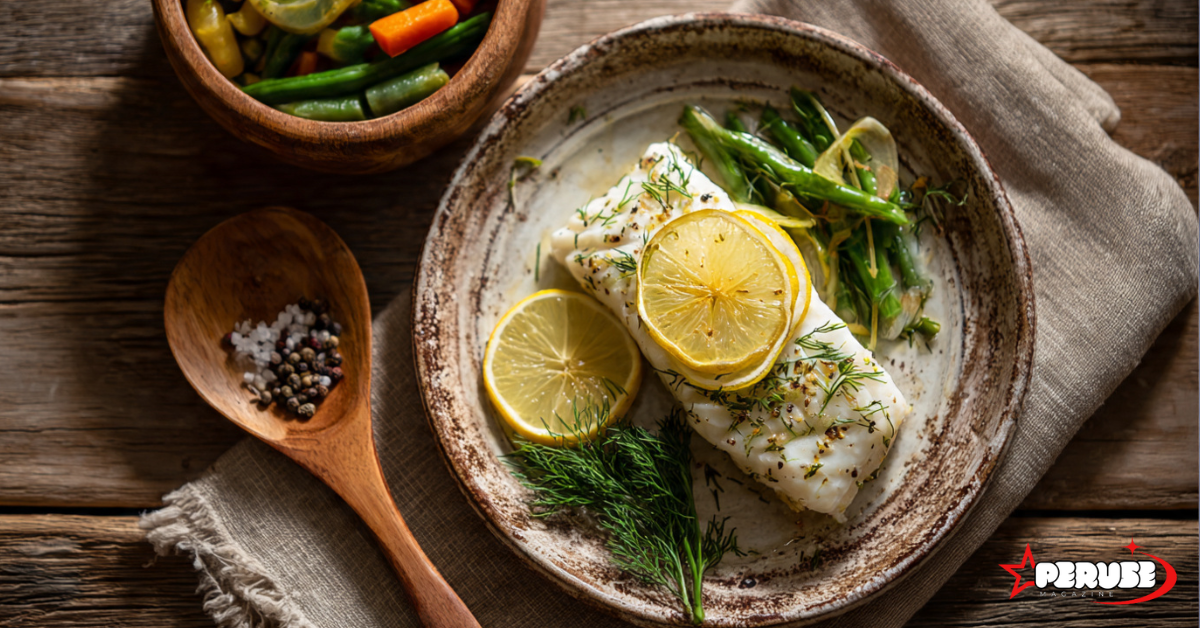
Alaskan Seiti is a nutritious, sustainable, and incredibly versatile white fish that deserves a spot in your kitchen. To enjoy it, simply remember it’s perfect for quick cooking methods like baking and pan-frying, pairs with almost any flavor, and is an affordable source of lean protein. This guide will show you exactly what Alaskan Seiti is, why it’s good for you, and how to easily prepare delicious meals with it.
The Fastest Way to Cook Alaskan Seiti
For a perfect, no-fuss dinner tonight, follow this simple method. Thaw frozen fillets in the refrigerator overnight. Pat them dry with a paper towel, then season generously with salt, pepper, and a squeeze of lemon. For a simple bake, place them on a parchment-lined tray in a 180°C (350°F) oven for 12-15 minutes until the flesh flakes easily. For a quick pan-fry, lightly coat the fillets in flour and cook in a hot skillet with olive oil or butter for 3-4 minutes per side until golden. It’s that easy to get a healthy, tasty meal on the table.
What Is Alaskan Seiti?
If you’ve ever enjoyed fish sticks, a fast-food fish sandwich, or imitation crab (surimi), you’ve likely eaten Alaskan Seiti. Alaskan Seiti is the common market name for Alaska pollock (scientific name: Gadus chalcogrammus), a wild white fish belonging to the cod family. It is harvested primarily from the clean, cold waters of the North Pacific Ocean, especially the Bering Sea and the Gulf of Alaska.
The name “Seiti” is particularly used in regions like Finland and other parts of Europe, often to highlight its premium Alaskan origin. Don’t let the different name confuse you—whether called pollock or Seiti, it refers to the same fish known for its:
- Mild, neutral flavor that isn’t “fishy”.
- Delicate, flaky texture.
- Bright white flesh that holds its shape well during cooking.
Nutrition and Health Benefits
Alaskan Seiti is a powerhouse of nutrition, making it an excellent choice for health-conscious individuals and families. Its profile is defined by being high in protein while very low in fat and calories.
- High-Quality Protein: A 100-gram serving provides about 19 grams of protein, essential for muscle repair, growth, and overall body function.
- Low in Calories and Fat: With approximately 90-100 calories and only 1 gram of fat per 100-gram serving, it fits perfectly into weight-management or heart-healthy diets.
- Rich in Omega-3s and Nutrients: While leaner than salmon, it still provides beneficial omega-3 fatty acids for heart and brain health. It’s also an excellent source of Vitamin B12, selenium, and phosphorus.
| Nutrient | Approximate Value per 100g Cooked | Key Benefit |
|---|---|---|
| Calories | 90-100 kcal | Supports weight management |
| Protein | ~19 grams | Builds & repairs muscle |
| Total Fat | ~1 gram | Promotes heart health |
| Omega-3 Fatty Acids | ~400 mg | Supports brain & heart function |
| Vitamin B12 | ~40% of Daily Value | Crucial for nerve & blood health |
| Selenium | ~45% of Daily Value | Boosts immune system, antioxidant |
Furthermore, Alaskan Seiti is considered a low-mercury fish, making it a safe and recommended choice for regular consumption, including for pregnant women and children.
Why It’s a Sustainable Choice
Choosing Alaskan Seiti is a responsible decision for the planet. The Alaska pollock fishery is consistently highlighted as one of the best-managed and most sustainable fisheries in the world.
- Science-Based Management: Catch limits are strictly set and adjusted annually based on comprehensive population surveys by scientists.
- Eco-Certifications: It frequently carries certifications from the Marine Stewardship Council (MSC), verifying that it meets high standards for sustainable fishing.
- Low Environmental Impact: Fishing methods like mid-water trawling are designed to minimize bycatch (accidental catch of other species) and reduce damage to the ocean floor.
By purchasing Alaskan Seiti, you support fishing practices that ensure fish populations and marine ecosystems remain healthy for future generations.
How to Cook Alaskan Seiti: Methods and Recipes
Its mild flavor and flaky texture make Alaskan Seiti a dream for home cooks. It acts as a “blank canvas,” absorbing the flavors of your favorite herbs, spices, and sauces.
Popular Cooking Methods:
- Baking: A healthy, hands-off method. Season and bake with lemon and herbs for a dish known as Seiti Uunissa in Finnish cuisine.
- Pan-Frying: Creates a deliciously crispy exterior. Lightly coat in flour or breadcrumbs for a classic finish.
- In Soups and Stews: Adds tender, flaky chunks of protein. It’s ideal for a hearty Seiti Keitto (Finnish fish soup) or chowders.
- Grilling and Steaming: Excellent for lighter, healthy meals.
Simple Flavor Pairings:
- Classic: Lemon, dill, parsley, capers.
- Asian-Inspired: Ginger, soy sauce, garlic, scallions.
- Mediterranean: Olive oil, oregano, tomatoes, olives.
- For Crunch: Almonds, panko breadcrumbs, crushed crackers.
Buying and Storing Guide
What to Look For:
- Frozen: Most Alaskan Seiti is sold frozen, often as fillets or blocks. Look for firm packages with little to no frost buildup (which can indicate thawing and refreezing).
- Fresh: If available fresh, the flesh should be bright, firm to the touch, and have a clean, ocean-like scent—not a strong “fishy” smell.
- Labels: Check for origin (“Alaska” or “North Pacific”) and sustainability certifications like the MSC blue fish tick label.
Storage Tips:
- Frozen: Keep at a constant freezing temperature until ready to use.
- Thawing: Thaw overnight in the refrigerator. Do not refreeze raw fish after thawing.
- Fresh: Cook within 1-2 days of purchase.
- Cooked: Store leftovers in an airtight container in the refrigerator and consume within 3 days.
In summary, Alaskan Seiti is a triple-threat seafood: it’s nutritious for your body, versatile for your kitchen, and sustainable for the planet. By understanding its mild nature, mastering a few simple cooking techniques, and choosing trusted sources, you can confidently make this affordable and healthy fish a regular part of your meal rotation.