

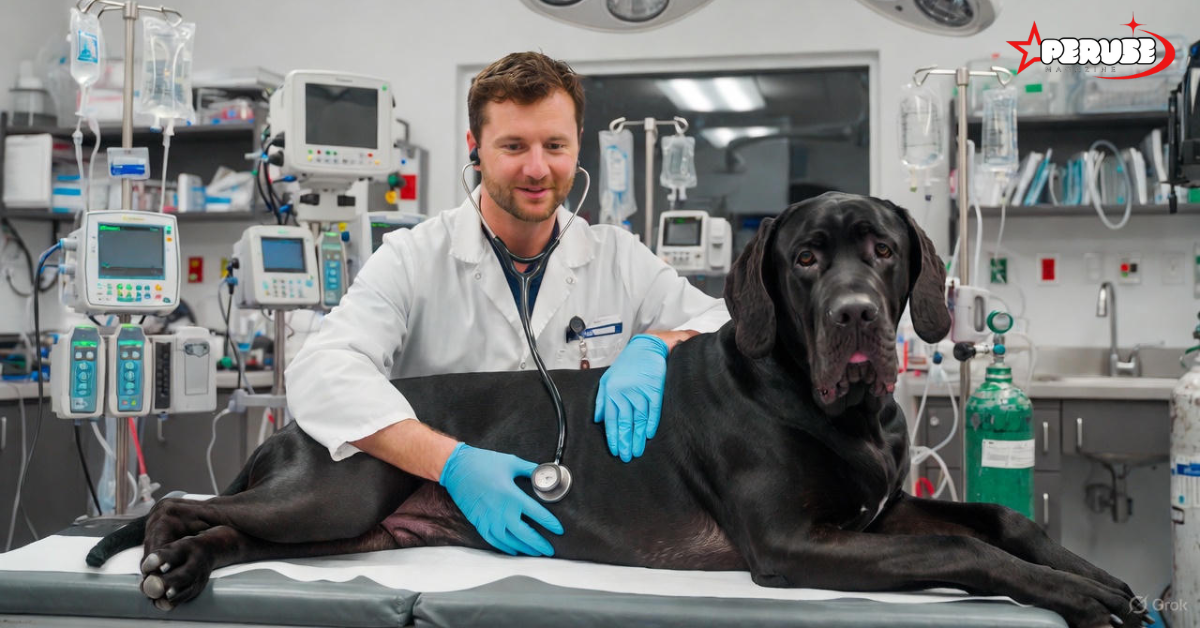
Canine bloat, known medically as Gastric Dilatation-Volvulus (GDV), is a true dog bloat emergency and one of the most critical situations a pet owner can face. This condition strikes rapidly, turning a healthy dog into a critically ill patient within minutes. Understanding how to treat bloat in dogs is not just about knowledge, it’s about saving a life. This guide provides a clear, step-by-step overview of recognizing the signs, executing emergency first aid, navigating veterinary treatment for canine bloat, and implementing long-term prevention strategies. Every second counts, so let’s begin.
Understanding Canine Bloat (GDV)
What Is Gastric Dilatation-Volvulus?
Gastric Dilatation-Volvulus is a two-part catastrophic event. First, gastric distension occurs, where the dog’s stomach fills with gas, fluid, or food, causing painful abdominal distension. Second, and most dangerously, the swollen stomach can rotate or twist on itself, this is the volvulus or stomach torsion. This twist traps the contents, cuts off blood supply, and sends the dog into shock. It’s a rapidly progressive surgical emergency.
How Bloat Progresses to Stomach Torsion
The progression is often swift. Simple dilatation (a bloated stomach) can sometimes occur without a twist. However, when the heavy, gas-filled stomach flips, it creates a life-threatening cascade. The twisted stomach blocks entry and exit points, pressure builds, blood flow to vital organs is compromised, and toxins are released into the bloodstream.
Why Speed Matters: The Critical Timeline
The mortality rate for GDV rises dramatically with time. From the onset of symptoms, you may have only a matter of hours to get life-saving intervention. The goal is to get the dog to an emergency veterinary hospital before shock becomes irreversible and gastric necrosis (death of stomach tissue) sets in.
Recognizing Dog Bloat Emergency Symptoms
Early recognition is your first and most powerful tool. Symptoms often appear suddenly, typically after eating or drinking.
Early Warning Signs: Restlessness and Excessive Drooling
One of the earliest signs is a change in behavior. Your dog may show restlessness and pacing, unable to get comfortable. They may appear anxious, look at their belly, or assume a “prayer position” with front legs down and rear end up. Excessive drooling and frequent, unproductive attempts to vomit are classic red flags.
Physical Indicators: Swollen Abdomen and Rapid Breathing
A visibly swollen abdomen that feels tight like a drum is a hallmark sign. You may notice rapid breathing or panting, even at rest. The abdomen is often painful to the touch, causing the dog to whine or guard their belly.
Critical Signs: Unproductive Vomiting and Collapse
Unproductive vomiting (dry heaving with little to no production) is a critical symptom of a twisted stomach. As shock sets in, the gums may become pale or blue-tinged, the heart rate skyrockets, and the dog may collapse. This is a terminal stage requiring immediate intervention.
Breed-Specific Risks: Deep-Chested Dogs and High-Risk Profiles
While any dog can bloat, deep-chested breeds like Great Danes, German Shepherds, Weimaraners, and Standard Poodles are at highest risk. Age, a family history of bloat, and a nervous temperament also increase susceptibility.
Immediate First Aid for Suspected Dog Bloat
This is not a wait-and-see situation. Your actions in the first minutes are crucial.
What to Do First: Emergency Vet Contact Protocol
- Call Your Emergency Vet Immediately. Tell them you suspect GDV and are on your way. Do not waste time searching online or waiting to see if symptoms improve.
- Keep them calm. Minimize stress and movement.
Positioning and Transport: Safe Handling Techniques
Gently help your dog into a comfortable position, usually on their side. Use blankets for cushioning during transport. Drive calmly but purposefully to the closest veterinary ER.
What NOT to Do: Common Mistakes That Worsen Bloat
- Do NOT try to induce vomiting.
- Do NOT give food or water.
- Do NOT press on or massage the swollen abdomen.
- Do NOT attempt “home remedies” or wait it out.
Veterinary Treatment for Canine Bloat
Upon arrival, the veterinary team will move with urgent, coordinated action.
Emergency Stabilization and Intravenous Fluid Therapy
The first priority is treating shock. Intravenous fluid therapy is started immediately via large-bore catheters to support crashing blood pressure and counteract toxins. This is critical stabilization before any procedure.
Stomach Decompression: Trocharization and Orogastric Tubing
To relieve life-threatening pressure, the vet must decompress the stomach. This may involve passing an orogastric tube down the throat. If the twist prevents this, they may perform trocharization—inserting a needle or catheter through the skin directly into the stomach to release gas.
Pain Management and Shock Treatment
Aggressive pain management with injectable medications is administered. Electrocardiogram (ECG) monitoring begins, as heart arrhythmias are a common and dangerous complication of GDV.
Pre-Surgical Assessment and Diagnostic Imaging
Once stabilized, X-rays are taken to confirm the stomach torsion. Blood work assesses organ function and guides anesthesia. Time in pre-op is minimal; surgery is the only definitive treatment.
The Gastropexy Procedure: Surgical Options Explained
The surgical intervention has two goals: 1) Untwist the stomach and assess its viability, and 2) Perform a gastropexy. This procedure permanently attaches the stomach wall to the body wall, preventing future twisting. Any non-viable (necrotic) stomach tissue must be removed.
Incisional vs. Laparoscopic Gastropexy
The standard approach is an open incisional gastropexy. In some specialty clinics, a minimally invasive laparoscopic gastropexy may be an option for preventive surgeries in high-risk dogs, offering a faster recovery.
Post-Surgical Care and Recovery at Home
Surviving surgery is the first hurdle; careful post-operative monitoring is the next.
Monitoring for Complications After Bloat Surgery
The first 72 hours are critical for watching heart rhythms. Home care after bloat surgery involves vigilant monitoring for lethargy, pain, loss of appetite, or redness at the incision site.
Managing Pain and Supporting Healing
You will be sent home with pain medication and possibly antibiotics. Use an E-collar (cone) to prevent licking or chewing at the stitches. Provide a quiet, comfortable space for rest.
Dietary Adjustments and Feeding Protocols
Your vet will prescribe a bland, easily digestible diet initially. Feeding protocols often involve smaller meal portions given more frequently throughout the day.
Exercise Restrictions During Recovery
Strict exercise restriction is mandatory for 10-14 days—short leash walks for bathroom breaks only. No running, jumping, or playing.
Veterinary Follow-Up Schedule and Expectations
You’ll have a veterinary follow-up appointment for stitch removal and a post-op check. Continue to watch for any signs of illness long-term.
Complications, Prognosis, and Long-Term Outlook
Gastric Necrosis and Multi-Organ Failure
The most severe complication is gastric necrosis, where parts of the stomach die due to lack of blood flow. This can lead to sepsis and multi-organ failure. Heart arrhythmias can also occur days after surgery.
Understanding Mortality Rates and Survival Statistics
With prompt, aggressive treatment, the survival rate for dogs with GDV is around 80-90%. This rate plummets if treatment is delayed. The mortality rate is closely tied to the speed of action and severity of tissue damage.
Recurrence Prevention After Gastropexy
A properly performed gastropexy is highly effective for recurrence prevention. The risk of a future torsion is reduced to less than 5%.
Quality of Life Considerations
Most dogs that recover fully from GDV surgery go on to live normal, happy lives. The key is diligent post-op care and lifelong adherence to preventive feeding practices.
Prevention: Reducing Bloat Risk in Dogs
While not 100% foolproof, these strategies significantly lower risk.
Feeding Management: Slow Feeders and Portion Control
Use slow feeder bowls or puzzle feeders to prevent rapid eating. Feed smaller meal portions two to three times daily instead of one large meal.
Elevated Feeding: Current Veterinary Recommendations
Contrary to old advice, recent studies suggest elevated feeding bowls may increase bloat risk in large breeds. Consult your vet, but feeding at floor level is now often recommended.
Exercise Timing: Before and After Meals
Avoid vigorous activity for at least one hour before and two hours after meals. This exercise restriction around feeding times is crucial.
Breed-Specific Prevention for Great Danes and German Shepherds
For high-risk Great Danes and German Shepherds, be hyper-vigilant about feeding practices and know your nearest emergency vet location.
Prophylactic Gastropexy: When to Consider Preventive Surgery
For high-risk breeds, a prophylactic gastropexy can be performed during a routine spay/neuter or as a standalone laparoscopic procedure. This preventive surgery is a highly effective long-term solution.
Conclusion: Key Takeaways for Dog Owners
Emergency Action Summary
- Know the signs: Restlessness, swollen belly, unproductive vomiting.
- Act immediately: This is a “go now” emergency. Do not wait.
- Follow vet instructions: Surgery is the only cure for GDV.
Prevention Checklist
- Feed multiple small meals.
- Use a slow feeder bowl.
- Restrict exercise around meals.
- Discuss preventive gastropexy with your vet for at-risk breeds.
Being prepared, acting fast, and partnering with your veterinarian are the most important things you can do to protect your dog from this deadly condition.
Frequently Asked Questions
How quickly does bloat kill a dog?
GDV can be fatal in a matter of hours. The twisting stomach leads to shock and organ failure rapidly. Immediate veterinary care is critical to survival; delays of even an hour can drastically reduce the chance of a positive outcome.
Can bloat resolve on its own without treatment?
No. Simple gastric dilatation (without a twist) might occasionally subside, but there is no way to know if a life-threatening torsion has occurred. Bloat is always a veterinary emergency. Waiting to see if it resolves on its own is extremely dangerous and often deadly.
What is the survival rate for dogs with GDV?
With prompt recognition and aggressive veterinary treatment for canine bloat, including surgery, the survival rate is generally between 80% and 90%. This underscores the importance of getting to an emergency vet as fast as possible.
How much does bloat surgery cost?
GDV surgery is a major abdominal emergency and costs typically range from $2,500 to $7,000 or more, depending on geographic location, hospital rates, severity, and required aftercare. Pet insurance is highly recommended for at-risk breeds.
Can a dog get bloat after gastropexy?
A gastropexy procedure for dogs is very effective but not an absolute guarantee. It prevents the stomach from twisting (volvulus). However, the stomach can still dilate (fill with gas) in rare cases, a condition known as “simple bloat,” which still requires veterinary attention but is less immediately life-threatening than a full GDV.