

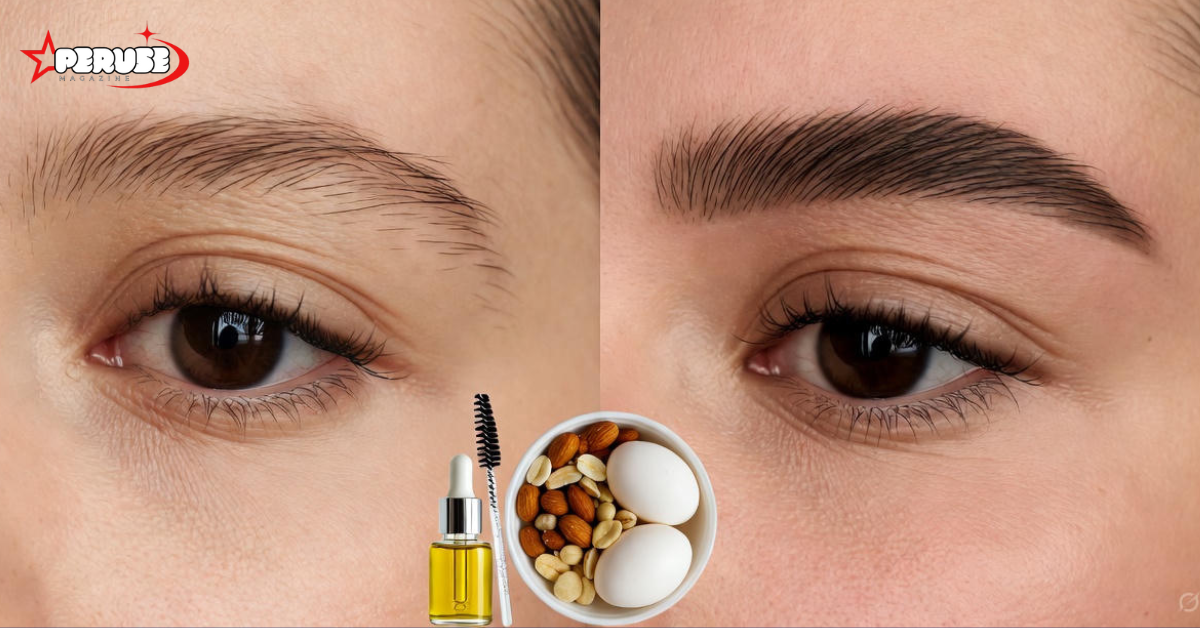
If you’ve ever overplucked, waxed too much, or simply have sparse eyebrows, you know the struggle of waiting for them to grow back. Thin eyebrows can feel like a permanent fixture, but the good news is that brow hair follicles can often be revived. This guide will walk you through how to get your eyebrows to grow using science-backed natural remedies, proven techniques, and realistic timelines. Whether you’re looking for natural remedies for eyebrow growth or curious about eyebrow growth serums that work, we’ve got you covered. Let’s start your brow transformation journey.
The Science Behind Eyebrow Growth: What You Need to Know First
Understanding how eyebrow hair grows is the first step to regrowing them effectively. Unlike the hair on your head, eyebrow hair follows its own unique, slower rhythm.
Understanding Your Eyebrow Hair Growth Cycle
Your eyebrow hairs grow in a three-phase cycle:
- Anagen (Growth Phase): This active growth phase lasts about 30-45 days for eyebrows. The hair follicle is producing new hair.
- Catagen (Transition Phase): A short 2-3 week period where growth stops and the follicle shrinks.
- Telogen (Resting/Shedding Phase): The follicle rests for up to 4 months before the hair falls out and the cycle restarts.
Why Eyebrows Grow Slower Than Scalp Hair
Scalp hair has a much longer anagen phase (2-7 years), which is why it grows so long. Eyebrows have a brief growth period by design, to keep them short. This is also why patience is crucial when learning how to regrow overplucked eyebrows.
How Long Does It Take for Eyebrows to Grow Back?
Typical Regrowth Timeline: Weeks to Months
After stopping all plucking or waxing, you may see initial fine hairs in 4-6 weeks. Significant, visible filling-in typically takes 2-4 months. Full restoration to your natural shape can take 6 months to a year, depending on damage.
Factors That Affect Your Personal Growth Rate
Age, genetics, overall health, and nutrition all play a role. Nutritional deficiencies, hormonal changes, or conditions like hypothyroidism or alopecia areata can slow growth.
Common Causes of Sparse or Thin Eyebrows
Overplucking, Waxing, and Threading Damage
Repeatedly removing hair can traumatize the follicle, leading to permanent damage over time. This is the most common cause of sparse eyebrows.
Nutritional Deficiencies and Medical Conditions
Lack of key vitamins (like biotin, iron, vitamin D) and protein can stunt hair growth. Skin conditions like eczema or seborrheic dermatitis on the brow bone can also inhibit growth.
Natural Oils and Remedies for Eyebrow Growth
Nature offers some of the most popular and accessible solutions for how to grow eyebrows naturally. Consistency is key.
Castor Oil for Eyebrow Growth: Does It Really Work?
Castor oil is a star in the world of natural remedies for eyebrow growth. It’s rich in ricinoleic acid, a fatty acid believed to reduce inflammation and nourish the hair follicle.
How to Apply Castor Oil Properly with a Clean Mascara Wand
- Use a clean mascara wand or cotton swab.
- Dip it in pure, cold-pressed castor oil.
- Brush gently along the brow, following the natural hair direction.
- Leave on overnight and rinse in the morning.
Patch Testing for Skin Sensitivity
Always do a patch test behind your ear or on your inner arm to check for allergic reaction or contact dermatitis before regular use.
Coconut Oil for Eyebrows: Moisturizing and Protection
Coconut oil penetrates the hair shaft to reduce protein loss. Its fatty acids moisturize the skin and create a healthy environment for follicles.
Overnight Treatment Routine
Apply a small amount as a nightly brow treatment. Its occlusive nature helps lock in moisture.
Rosemary Oil for Eyebrow Growth: Circulation Boosting Properties
Studies suggest rosemary oil may be as effective as minoxidil for some types of hair loss by improving blood circulation.
Dilution Guidelines and Application Methods
Never apply essential oils directly. Mix 3-5 drops of rosemary oil with 1 tablespoon of a carrier oil (like jojoba or coconut). Apply with a swab.
Other Effective Natural Options
- Jojoba Oil: Mimics the skin’s natural sebum, excellent for conditioning.
- Aloe Vera Gel: Soothes skin and conditions hair.
- Rice Water for Hair Growth: Contains inositol, which may strengthen hair.
- Vaseline for Eyebrows: An occlusive that protects and retains moisture but doesn’t directly stimulate growth.
Nutritional Support: Foods and Vitamins That Help Eyebrow Growth
You are what you eat, and that includes your brows. Foods that help eyebrow growth provide the building blocks for strong hair.
Essential Nutrients for Healthy Hair Follicles
- Biotin for Hair Growth: Supports keratin production. Find it in eggs, almonds, and sweet potatoes.
- Vitamin E and Panthenol: Antioxidants that protect follicles. Found in spinach, avocados, and sunflower seeds.
- Omega-3 Fatty Acids: Reduce inflammation. Abundant in fatty fish, flaxseeds, and walnuts.
- Protein-Rich Diet: Hair is made of keratin, a protein. Ensure adequate intake from lean meats, beans, and lentils.
Hydration and Overall Hair Health
Drinking enough water is vital for healthy hair growth. Dehydrated skin and follicles can lead to brittle hair.
Supplements: What Dermatologists Recommend
A board-certified dermatologist may recommend a biotin, collagen, or multivitamin supplement if you have a deficiency. Always consult a professional first.
Proven Techniques and Daily Habits to Stimulate Growth
Your daily routine can make a big difference in how to make eyebrows grow faster.
Eyebrow Massage for Growth: Improving Blood Circulation
Massaging increases blood flow, delivering more nutrients to the follicles.
Proper Finger Technique and Pressure Points
Using your fingertips, make small circular motions along your brow line for 1-2 minutes daily. Gentle pressure is key.
How Often to Massage for Best Results
Aim for once or twice daily as part of your brow care routine.
Brow Training Techniques: Reconditioning Hair Growth Patterns
Brushing your brows upward and outward daily with a clean mascara wand can train hairs to grow in a uniform direction and stimulate follicles.
What to Avoid During Regrowth
Stop Plucking, Waxing, and Threading Completely
This is non-negotiable. You must give follicles a break to recover.
Avoiding Brow Grooming Mistakes
Resist the urge to “clean up” just a few hairs. Use concealer around the shape instead.
Protecting Brows from Harsh Cosmetics
Avoid heavy, waxy products that can clog follicles. Always remove makeup gently.
Commercial Eyebrow Growth Serums and Medical Treatments
For those seeking more potent solutions, several products have clinical evidence and strong user testimonials.
Peptide-Based Brow Serums That Work
These serums contain peptides and panthenol that signal follicles to enter the growth phase. Look for brands with consistent positive reviews.
Prostaglandin Analogs: How They Function
Ingredients like bimatoprost (originally for eyelashes) are prostaglandin analogs. They extend the anagen phase. Available in some prescription and OTC serums.
Application Consistency for Visible Results
Apply serum to clean, dry brows once or twice daily as directed. Results typically show in 8-16 weeks.
Minoxidil for Eyebrows: Off-Label Use and Considerations
Minoxidil (Rogaine) is FDA-approved for scalp hair loss. Its off-label use for brows is popular but requires caution.
Concentration Guidelines and Contact Dermatitis Risks
Use a 2% or 5% solution sparingly. Apply a tiny amount with a cotton swab to avoid transfer to eyelids, which can cause irritation or unwanted hair growth.
Clinical Evidence and User Testimonials
Some studies and many anecdotal reports show effectiveness, but it’s not a guaranteed solution for everyone.
Prescription Options and Dermatologist Consultation
If home treatments fail, a dermatologist consultation is wise. They can check for underlying issues and may prescribe stronger treatments like compounded formulas.
Professional Procedures for Brow Restoration
For immediate or supplemental results, these professional treatments can help.
Microneedling Eyebrows: Collagen Induction Therapy
A professional uses tiny needles to create micro-injuries, triggering collagen induction therapy and potentially stimulating dormant hair follicles.
Recovery Time and Expected Results
Slight redness for 24 hours. Multiple sessions (3-6) are usually needed for improved brow density.
Microblading vs. Natural Regrowth: Temporary Cosmetic Solution
Microblading is a semi-permanent tattoo that creates hair-like strokes. It’s a cosmetic solution that lasts 1-3 years while you work on natural growth.
Brow Lamination and Extensions: Instant Fullness
Brow lamination perms hairs upward for a fuller look. Extensions add synthetic hairs. Both offer temporary fuller brows but don’t stimulate real growth.
Eyebrow Tinting: Enhancing Appearance During Regrowth
Tinting makes existing hairs darker and more visible, perfect for managing sparse eyebrows during the regrowth process.
Managing Expectations and Tracking Your Brow Transformation Journey
Setting Realistic Brow Goals and Timeframes
Understand your starting point. Brow restoration is a marathon, not a sprint. Aim for health, not perfection.
Weekly Progress Documentation Tips
Take clear, well-lit photos every two weeks from the same angle. This helps you see subtle changes and stay motivated.
Patience During Regrowth: Why Consistency Beats Quick Fixes
The most important ingredient is patience during regrowth. Stick with your chosen routine for at least 3-4 months before judging its effectiveness.
Cosmetic Solutions and Grooming While You Wait
Filling in Sparse Eyebrows with Pencils and Powders
Use fine strokes with an eyebrow pencil or a light dusting of brow powder to mimic hairs.
Using Brow Gel for Fluffy Brows Appearance
A tinted brow gel can hold hairs in place and add color, creating the illusion of fluffy brows.
Brow Mapping to Maintain Natural Shape
Learn your natural arch, start, and end points through brow mapping. This prevents future over-plucking.
Shaping Without Plucking: Trimming Techniques
Only trim excessively long hairs that stick out above the main brow shape. Brush hairs upward and carefully snip the tips.
Common Eyebrow Growth Myths and Mistakes to Avoid
Debunking Quick-Fix Claims
No product can make brows grow overnight. Beware of miraculous claims.
Why Overgrooming Causes Long-Term Brow Hair Loss
Constant trauma prevents follicles from recovering, leading to potential permanent brow hair loss.
Identifying and Addressing Underlying Brow Hair Damage
If you suspect a medical condition is causing hair loss, stop focusing solely on topical treatments and see a doctor.
Conclusion: Your Action Plan for Thicker Eyebrows
How to get your eyebrows to grow requires a multi-pronged approach: nourish from within with a protein-rich diet, stimulate daily with eyebrow massage, apply a trusted growth aid like castor oil or a peptide serum, and protect brows by avoiding plucking. Most importantly, be patient and consistent. Your brow recovery is possible. Start tonight with a gentle massage and a drop of oil—your journey to healthier hair growth begins with a single step.
FAQ
Can eyebrows grow back after years of overplucking?
Yes, in many cases they can. However, if the hair follicles have been permanently damaged from decades of trauma, regrowth may be limited. A consistent routine for 6-12 months will reveal your true potential for brow regrowth.
How often should I apply growth oils for best results?
For natural oils like castor or coconut oil, applying nightly is ideal. Consistency is more important than frequency. If using a commercial eyebrow growth serum, follow the label instructions, typically once or twice daily.
What if my eyebrows don’t grow back after 6 months?
If you see no improvement after 6 months of consistent care and complete avoidance of plucking, it’s time for a dermatologist consultation. An underlying medical condition, hormonal imbalance, or permanent follicle damage may be the cause.
Are eyebrow growth serums safe for sensitive skin?
Many are formulated for delicate eye-area skin, but always patch test. Look for serums free from parabens, sulfates, and fragrances. If you have a history of contact dermatitis, consult a dermatologist before use.
Can I use hair growth products meant for scalp on my brows?
Proceed with extreme caution. Minoxidil for eyebrows is a common off-label use, but apply minimally with a swab. Scalp formulas are often stronger and not tested for the eye area, risking irritation or unwanted hair growth on eyelids.